Bandeja Padel Shot: Master Net Control & Defensive Play
Explore the bandeja padel shot: its strategic role in maintaining net position, expert execution tips, and real match examples. Learn how this essential technique shapes defensive and offensive play for all skill levels.
Understanding the bandeja shot in padel
The bandeja is a fundamental shot in padel, recognized for its unique blend of control, placement, and defensive utility. Unlike the powerful smash, the bandeja is typically executed with a sidearm motion, allowing players to retain net position while neutralizing opponents’ lobs. Its name, meaning “tray” in Spanish, reflects the characteristic flat, open-faced racket angle used during the shot.
The strategic role of the bandeja
In professional and amateur padel, the bandeja serves as a critical tool for maintaining dominance at the net. When opponents attempt to push players back with high lobs, the bandeja allows the net player to intercept the ball early, keeping pressure on the opposition. By playing a controlled, angled shot, players can prevent their rivals from regaining the initiative. This shot is especially valuable in doubles, where net control often dictates the flow of the match.
- Net retention: The bandeja helps players stay close to the net, reducing the risk of being forced into a defensive position.
- Defensive transition: It acts as a bridge between defense and attack, enabling a smooth transition without conceding ground.
- Opponent pressure: Well-placed bandejas can force errors or weak returns, setting up winning volleys or smashes.
Key techniques for executing the bandeja
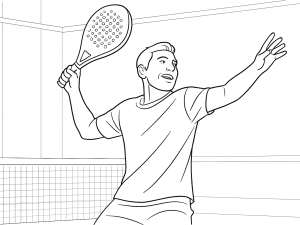
Mastering the bandeja requires a combination of technical skill and tactical awareness. The shot is typically played with a continental grip, and the swing path is more horizontal than vertical. Players aim to strike the ball at shoulder height, using a controlled motion to impart slight backspin and direct the ball toward the opponents’ feet or side walls.
- Preparation: Position yourself early under the lob, keeping your body sideways and racket up.
- Contact point: Hit the ball in front of your body, with the racket face slightly open.
- Follow-through: Finish the swing across your body to maintain control and direction.
- Footwork: Use small adjustment steps to get into optimal position, ensuring balance and stability.
Common mistakes include overhitting, losing balance, or failing to recover net position after the shot. Watching professional players such as Fernando Belasteguín or Alejandra Salazar can provide valuable insights into effective bandeja technique and tactical application.
Bandeja variations and match examples
While the classic bandeja is a controlled, defensive shot, advanced players often adapt its speed, angle, and spin to suit different scenarios. Some variations include:
- Fast bandeja: Used to surprise opponents and force a quick response.
- Deep bandeja: Aimed toward the baseline to push opponents back.
- Angled bandeja: Targeted toward the side wall to create awkward bounces.
Professional matches frequently showcase the bandeja’s versatility. For example, during high-level rallies, players use the bandeja to reset the point and regain offensive positioning, often following up with aggressive volleys or smashes when the opportunity arises.
What this means for you
The bandeja is more than just a defensive shot; it is a cornerstone of effective padel strategy. By mastering its technique and understanding its tactical applications, players at all levels can improve their net play, reduce unforced errors, and gain a competitive edge. Whether you are new to padel or seeking to refine your skills, focusing on the bandeja will enhance your overall game and help you navigate challenging match situations with confidence.