
Mobility & Flexibility for Padel: Move Freely, Play Better
Explore Mobility & Flexibility for Padel to enhance your joint range, fluidity, and movement on court. This category covers exercises, routines, and tips to help players improve flexibility and mobility for better performance and injury prevention.
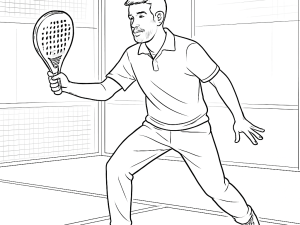

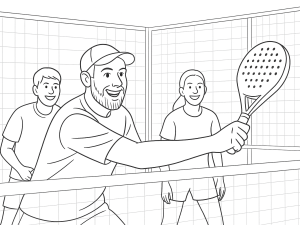
Understanding mobility and flexibility in padel
Mobility and flexibility are essential components of a successful padel game. These attributes allow players to move efficiently, reach difficult shots, and maintain balance during fast-paced rallies. While often grouped together, mobility refers to the ability of joints to move through their full range of motion, while flexibility relates to the length and elasticity of muscles and tendons.
Why mobility and flexibility matter for padel players
Padel is a dynamic sport that demands quick direction changes, lunges, and overhead movements. Improved mobility and flexibility can help players:
- React faster to opponents’ shots
- Reduce the risk of strains and injuries
- Maintain proper technique during extended rallies
- Enhance overall court coverage and agility
Players with limited mobility or flexibility may find themselves struggling to reach low balls or execute powerful smashes, impacting both performance and enjoyment of the game.
Key exercises and routines
Developing mobility and flexibility requires a consistent approach. Common routines include:
- Dynamic warm-ups: Leg swings, arm circles, and torso rotations to prepare joints for play
- Static stretching: Hamstring, quadriceps, and shoulder stretches to improve muscle length
- Foam rolling: Self-myofascial release to reduce muscle tightness and improve tissue quality
- Mobility drills: Hip openers, ankle mobility exercises, and spinal rotations to target key joints used in padel
Incorporating these exercises into a regular fitness routine can help padel players move more freely and efficiently on court.
Integrating mobility and flexibility into padel training
Many players focus primarily on technical skills and match play, but dedicating time to mobility and flexibility can yield significant benefits. Coaches often recommend integrating mobility work before and after training sessions, as well as on rest days. This approach supports recovery, helps maintain joint health, and prepares the body for the unique demands of padel.
Common challenges and solutions
Some players may experience stiffness or limited range of motion due to previous injuries, sedentary lifestyles, or age-related changes. Solutions include:
- Gradual progression in stretching intensity
- Regular assessment of movement patterns
- Seeking guidance from qualified fitness professionals when needed
Consistency is key; even short daily routines can lead to noticeable improvements over time.
What this means for you
Focusing on mobility and flexibility can elevate your padel experience, making movement on court smoother and more effective. Whether you’re a beginner or an experienced player, dedicating time to these aspects of fitness can help prevent injuries and support long-term performance. Explore the resources in this category to find routines and tips tailored to padel’s unique physical demands.