
Adaptability in Padel: Tactics for Every Situation
Explore how adaptability in padel can elevate your game. This category covers practical tips and strategies for adjusting your playstyle to suit different opponents, court conditions, and match scenarios.
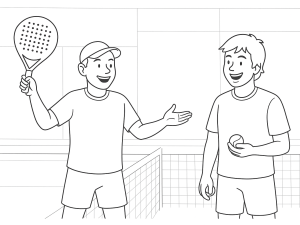

Understanding adaptability in padel
Adaptability is a core skill in padel, allowing players to respond effectively to changing circumstances during a match. Whether facing unfamiliar opponents, variable court surfaces, or shifting weather conditions, the ability to adjust tactics and mindset is essential for consistent performance. This category examines the principles and practical applications of adaptability in padel, offering insights into how players can refine their approach for greater success.
Key elements of adaptable play
- Opponent analysis: Recognizing your opponent’s strengths and weaknesses is the first step toward adapting your strategy. Observing patterns in shot selection, movement, and positioning can inform your tactical decisions throughout the match.
- Court conditions: Factors such as surface type, lighting, and even temperature can influence ball behavior and movement. Players who quickly adjust their footwork and shot selection to suit these conditions often gain a competitive edge.
- Match situations: The score, momentum, and psychological pressure can all impact gameplay. Adaptable players know when to play aggressively, when to defend, and how to manage nerves in high-stakes moments.
Strategies for improving adaptability
- Vary your training: Practice on different court surfaces and with a range of partners to expose yourself to diverse playing styles and conditions.
- Develop tactical awareness: Study common padel tactics and experiment with different formations, such as the Australian or classic setup, to find what works best in specific situations.
- Focus on mental flexibility: Cultivate a growth mindset by viewing challenges as opportunities to learn. Techniques such as visualization and scenario planning can help prepare for unexpected developments during matches.
Adapting to different opponents
Every opponent presents a unique challenge. Some may favor powerful smashes, while others rely on precise placement or defensive play. Adaptability involves recognizing these tendencies early and adjusting your strategy accordingly. For example, against aggressive players, it may be effective to use lobs and force them into uncomfortable positions. Against defensive opponents, increasing the pace or targeting weaker areas can yield results.
Responding to changing match dynamics
Momentum shifts are common in padel. A player who starts strong may lose confidence after a series of errors, or weather conditions may suddenly change. Successful players monitor these dynamics and make real-time adjustments, such as altering serve placement, changing return tactics, or modifying communication with their partner. Flexibility in approach helps maintain focus and capitalize on opportunities as they arise.
What this means for you
Mastering adaptability in padel is about more than technical skill—it’s a mindset that empowers players to thrive in any situation. By developing awareness, practicing diverse tactics, and staying mentally flexible, you can enhance your performance and enjoy a more rewarding experience on the court. Whether you’re a beginner or an experienced competitor, focusing on adaptability will help you navigate the unpredictable nature of padel with confidence.