
Communication in Padel: Boost Teamwork & Tactics
Explore the importance of communication in padel and discover practical strategies to enhance on-court coordination with your partner. This category covers tips and advice to help players improve teamwork, anticipate plays, and execute tactics more effectively during matches.
Understanding communication in padel
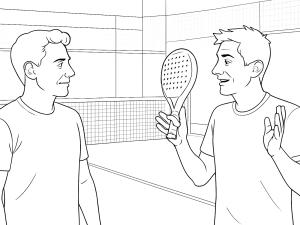
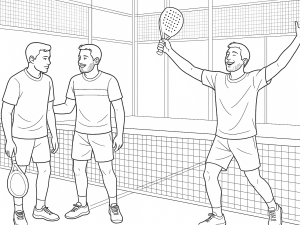
Effective communication is a cornerstone of successful padel play, especially in doubles where coordination with your partner is essential. Unlike singles sports, padel requires constant interaction to manage positioning, shot selection, and tactical adjustments. Communication goes beyond verbal cues; it includes gestures, eye contact, and mutual understanding developed through practice.
Why communication matters on the court
Padel is a fast-paced game where quick decisions can make the difference between winning and losing a point. Clear communication helps players avoid confusion, reduce unforced errors, and capitalize on opportunities. Teams that communicate well are better equipped to anticipate opponents’ moves, cover the court efficiently, and execute planned strategies.
- Positioning: Calling out who will take each shot prevents both players from going for the same ball or leaving gaps.
- Tactical adjustments: Discussing tactics between points allows teams to adapt to opponents’ strengths and weaknesses.
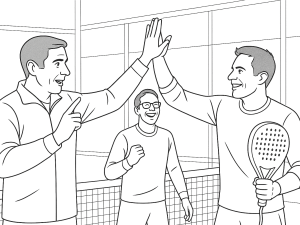
- Support and encouragement: Positive feedback and motivation help maintain focus and morale during challenging moments.
Key elements of effective padel communication
- Verbal cues: Simple phrases like “mine,” “yours,” or “switch” can clarify intentions quickly.
- Non-verbal signals: Hand signals, nods, and eye contact can convey strategies without alerting opponents.
- Pre-point planning: Brief discussions before serving or receiving can set up planned plays or defensive formations.
- Post-point feedback: Quick exchanges after points help refine tactics and maintain team cohesion.
Common communication challenges
Even experienced pairs can face communication breakdowns, especially under pressure. Misunderstandings may arise from unclear signals, language barriers, or differing playing styles. Recognizing these challenges and addressing them through regular practice and honest feedback is vital for improvement.
Developing strong communication habits
Building effective communication takes time and effort. Many successful padel teams dedicate practice sessions to drills that emphasize coordination and dialogue. Watching professional matches can also provide insights into how top players interact and adjust tactics in real-time.
- Practice calling shots during rallies to build confidence.
- Review matches together to identify communication gaps.
- Establish routines for discussing tactics before and during games.
What this means for you
Mastering communication in padel is a key step toward elevating your doubles game. Whether you are new to the sport or looking to refine your teamwork, focusing on clear, consistent interaction with your partner will lead to better results on the court. Explore this category for practical tips, drills, and strategies to strengthen your on-court dialogue and boost your overall performance.