
Tactics & Game Sense in Padel: Sharpen Your Strategic Edge
Explore the essential tactics and game sense needed to excel at padel. This category covers strategic awareness, decision-making, and on-court intelligence, helping players of all levels make smarter moves and adapt to any match situation.
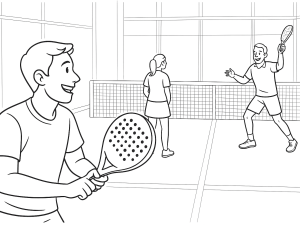
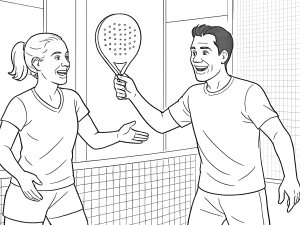
Understanding tactics and game sense in padel
Padel is a sport where technical skill and physical fitness are only part of the equation. Success on the court often hinges on a player’s ability to read the game, anticipate opponents’ moves, and make strategic decisions in real time. The Tactics & Game Sense category explores the many facets of strategic play, providing insights for players looking to elevate their mental approach and overall effectiveness during matches.
Key elements of padel tactics
Developing strong tactics in padel involves a blend of preparation, adaptability, and communication. Players must be able to analyze situations quickly and respond with the most effective shot or positioning. Some of the core tactical components include:
- Game plans: Structuring play around strengths and exploiting opponents’ weaknesses.
- Shot selection: Choosing the right shot for each situation, balancing risk and reward.
- Positioning: Maintaining optimal court coverage and adjusting based on the flow of play.
- Defensive and offensive play: Knowing when to defend and when to attack, and how to transition between the two.
Developing game sense
Game sense refers to a player’s intuitive understanding of the match as it unfolds. This includes reading opponents’ intentions, anticipating ball trajectories, and recognizing momentum shifts. Building strong game sense requires experience, observation, and a willingness to learn from each point played. Players often improve their game sense by:
- Reviewing match footage to identify patterns and tendencies.
- Practicing situational drills that mimic real match scenarios.
- Discussing tactics and strategies with partners to align approaches.
The role of adaptability and communication
Adaptability is crucial in padel, as no two matches are ever the same. Players must adjust tactics based on opponents’ playing styles, court conditions, and the evolving scoreline. Effective communication with a partner is equally important, ensuring both players are synchronized in their movements and decisions. This can involve verbal cues, hand signals, or simply developing a shared understanding through practice.
Mental aspects and momentum control
Padel matches can be mentally demanding, especially during high-pressure moments. The ability to stay focused, manage emotions, and control momentum often separates top players from the rest. Techniques such as visualization, positive self-talk, and breathing exercises can help maintain composure and clarity of thought during crucial points.
Match preparation and ongoing improvement
Preparation goes beyond physical warm-ups. It includes studying opponents, setting tactical objectives, and mentally rehearsing key scenarios. After each match, reflecting on what worked and what didn’t helps players refine their tactical approach for future games. Continual learning and adaptation are hallmarks of players with strong tactics and game sense.
What this means for you
Mastering tactics and game sense in padel is a journey that pays dividends at every level of play. By focusing on strategic awareness, effective communication, and mental resilience, players can make smarter decisions and gain a competitive edge. Whether you’re new to the sport or looking to fine-tune your match strategy, this category offers a wealth of knowledge to help you play smarter and win more often.