
Racket Technology in Padel: Innovations for Better Play
Explore how racket technology shapes padel performance. Learn about the latest materials, designs, and innovations that influence feel, durability, and gameplay, helping players choose the right equipment.
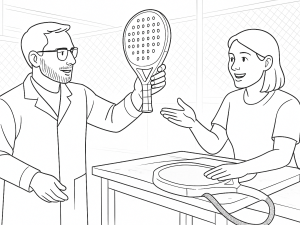
Understanding padel racket technology
Padel racket technology is a dynamic field, with manufacturers continually refining materials and designs to enhance player experience. The evolution of racket technology has a direct impact on performance, comfort, and durability, making it a crucial area of interest for both casual and competitive players.
Key materials used in padel rackets
Modern padel rackets are constructed from a variety of materials, each offering distinct benefits. Common choices include:
- Carbon fiber: Known for its lightweight and high strength, carbon fiber provides excellent power and control.
- Fiberglass: Often used in beginner and intermediate rackets, fiberglass offers flexibility and a softer touch.
- EVA foam: Used in the core, EVA foam affects the racket’s feel and shock absorption, with varying densities for different playing styles.
- Graphene and other composites: Some rackets incorporate advanced composites to further optimize weight, strength, and responsiveness.
Design innovations and their impact
Design features play a significant role in how a racket performs. Innovations include:
- Shape: Rackets come in round, diamond, and teardrop shapes, each influencing the sweet spot, balance, and power.
- Weight distribution: Head-heavy rackets offer more power, while head-light models provide better maneuverability.
- Surface texture: Textured surfaces can enhance spin and control, catering to advanced techniques.
- Hole patterns: The arrangement and size of holes affect aerodynamics and shot precision.
Durability and maintenance
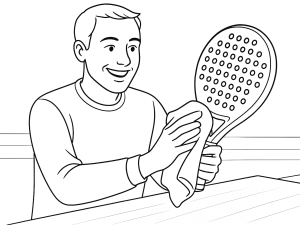
Technological advancements also address durability. Reinforced frames, improved bonding techniques, and protective coatings help rackets withstand frequent use and environmental stress. Proper care, such as storing rackets away from extreme temperatures and regularly checking for damage, can extend their lifespan.
Performance considerations
Choosing the right racket technology depends on a player’s skill level and style. For example:
- Power-focused players may prefer stiffer materials and head-heavy balance.
- Control-oriented players often select rackets with softer cores and round shapes.
- All-rounders might opt for teardrop shapes and balanced weight distribution.
Understanding these factors can help players make informed decisions, ensuring their equipment supports their development and enjoyment of the game.
What this means for you
Staying informed about racket technology enables players to match their equipment to their needs and ambitions. Whether seeking more power, improved control, or greater durability, understanding the materials and innovations behind padel rackets is key to maximizing on-court performance and satisfaction.