
Cardio & Conditioning for Padel: Boost Endurance and Agility
Explore Cardio & Conditioning for padel with training routines and tips to enhance endurance, agility, and match fitness. This category covers essential exercises and strategies to help players improve their on-court performance and overall stamina.

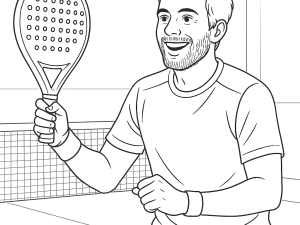
Understanding the importance of cardio and conditioning in padel
Padel is a dynamic sport that demands a unique blend of endurance, speed, and agility. Unlike some racquet sports, padel rallies can be fast-paced and require players to maintain high energy levels throughout a match. Cardio and conditioning routines are essential for players looking to improve their overall fitness, reduce fatigue, and gain a competitive edge on the court.
Key components of effective padel conditioning
Effective conditioning for padel involves more than just running or basic gym work. It targets specific aspects of fitness that directly impact performance:
- Endurance: Sustaining energy over long matches and multiple sets.
- Agility: Quick changes in direction and explosive movements.
- Speed: Rapid sprints to reach difficult shots.
- Strength: Core and leg power for stability and shot execution.
- Recovery: Minimizing downtime between points and matches.
Training routines for padel cardio and conditioning
Players can incorporate a variety of routines to target these fitness areas. Popular approaches include:
- Interval training: Alternating periods of high-intensity sprints with active recovery to mimic match conditions.
- Agility ladder drills: Improving footwork and coordination for quick court movements.
- Plyometric exercises: Building explosive power for jumps and rapid direction changes.
- Circuit training: Combining strength and cardio exercises in a time-efficient format.
- On-court movement drills: Practicing specific padel footwork patterns and recovery steps.
Integrating these routines into weekly training can help players develop the stamina and quickness needed for competitive padel.
Benefits of improved cardio and conditioning for padel
Players who focus on cardio and conditioning often notice several key improvements:
- Greater ability to maintain high performance throughout matches
- Faster recovery between points and games
- Reduced risk of injury due to better physical preparedness
- Enhanced movement efficiency and shot execution
- Increased confidence during long rallies and challenging points
Tips for building an effective padel fitness routine
When designing a training plan, consider the following tips:
- Balance cardio, strength, and flexibility work for all-around fitness
- Include sport-specific drills that replicate match scenarios
- Allow time for rest and recovery to prevent overtraining
- Track progress and adjust routines based on performance goals
- Consult with fitness professionals for personalized advice if needed
What this means for you
Cardio and conditioning are foundational for any padel player aiming to elevate their game. By integrating targeted routines and focusing on key fitness areas, players can improve endurance, agility, and overall match readiness. Whether you are a beginner or an experienced competitor, investing in your physical conditioning can lead to noticeable results on the court and a more enjoyable playing experience.