Marcos Córdoba’s signature víbora: technique breakdown and key tips
The video opens with a detailed demonstration of the víbora, a signature shot in padel that Marcos Córdoba executes with precision and flair. The creator hands the spotlight to Marcos, who shares his personal approach and technical secrets for mastering this challenging stroke. Marcos emphasizes the importance of side-on positioning before striking the ball, which allows for better control and power.
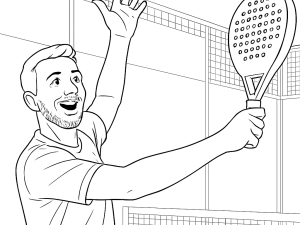
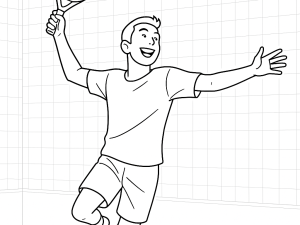
One of Marcos’s unique adaptations is performing the víbora while jumping. He explains that this technique helps him contact the ball at a higher point, giving him a tactical advantage and reducing the risk of hitting the glass. Many players, he notes, make the mistake of striking the ball too low, which can lead to unforced errors. By jumping, Marcos ensures he meets the ball in front of his body, maximizing both reach and control.
Grip is another crucial element in his víbora. Marcos opts for a grip that is just slightly past the continental, avoiding the extreme grips some players use. He keeps the racket head up, jumps, and swings through the ball with a full arm release, generating significant power and spin. He encourages players to experiment with the speed and follow-through, but always to focus on a fluid, relaxed arm motion for optimal results.
- Positioning: Side-on stance for balance and power
- Contact point: High and in front, achieved by jumping
- Grip: Slightly past continental, not overly extreme
- Racket head: Kept up throughout the motion
- Arm action: Full release for maximum speed and spin
These insights from Marcos provide a clear, actionable guide for players looking to improve their víbora and add a dynamic weapon to their padel arsenal.
Competitive tie-break: rules, tactics, and on-court dynamics
The second segment shifts to a live tie-break match between Marcos Córdoba and the channel’s host. The rules are set for an 11-point tie-break, with both players alternating between the drive and backhand sides. The format is designed to test versatility, as both must play from each side of the court. A unique rule is highlighted: while the first bounce can land anywhere, the second bounce must be inside the service box, adding an extra layer of tactical complexity.
Throughout the tie-break, the creator narrates his thought process, revealing both strategic planning and the psychological ebb and flow of the match. Marcos’s consistency and ability to switch tactics mid-point stand out. The host attempts various returns—mixing low and high balls, aiming for the walls, and trying to disrupt Marcos’s rhythm—but Marcos adapts quickly, maintaining composure and executing well-timed attacks.
The match is punctuated by moments of self-reflection and adjustment, as both players comment on their shot selection and mental focus. Marcos’s ability to recover after challenging points and his tactical patience are repeatedly emphasized. The creator notes how talking too much during play can disrupt concentration, underscoring the mental demands of competitive padel.
- Tie-break format: First to 11 points, both sides played
- Special rule: Second bounce must land in service box
- Key tactics: Mixing returns, attacking the center, patience in rallies
- Mental focus: Adjusting strategy and maintaining concentration under pressure
This tie-break not only showcases Marcos’s technical skills but also his adaptability and mental strength in a competitive setting.
Marcos Córdoba’s strengths and on-court personality revealed
The tie-break serves as a practical demonstration of Marcos Córdoba’s strengths as a young padel talent. His drive-side play is highlighted, but he also shows comfort and tactical awareness when switching to the backhand side. Marcos’s shot selection is deliberate; he favors high-percentage plays and is quick to exploit openings with aggressive volleys or well-placed lobs.
What stands out most is Marcos’s composure under pressure. Even when the score tightens or points don’t go his way, he maintains focus and quickly regroups. The creator remarks on Marcos’s ability to “eat him alive” mentally, a testament to the psychological edge that Marcos brings to the court. His patience, willingness to reset points, and tactical discipline are repeatedly noted as key factors in his success during the tie-break.
Marcos’s personality also shines through—he is competitive yet respectful, eager to share his knowledge, and open to learning from each exchange. This blend of technical skill and sportsmanship makes him a compelling figure for aspiring padel players to watch and emulate.
Key takeaways for improving your víbora and tie-break performance
The video concludes with practical lessons for viewers looking to elevate their own padel game. Marcos Córdoba’s víbora technique—marked by a high contact point, controlled grip, and full-arm release—offers a blueprint for players seeking to add power and consistency to this advanced shot. His advice to avoid striking the ball too low and to focus on a relaxed, fluid motion is especially valuable for those struggling with the víbora.
From the tie-break, several tactical and mental lessons emerge. Mixing up returns, maintaining patience during rallies, and staying mentally engaged are all critical for success in high-pressure scenarios. The importance of adapting strategy mid-match and not letting frustration dictate play is underscored by both players’ on-court adjustments.
- Master the víbora: Prioritize high contact, correct grip, and full-arm motion
- Adapt tactics: Mix returns and attack the center when possible
- Mental resilience: Stay focused, adjust quickly, and don’t dwell on mistakes
- Sportsmanship: Compete hard but remain respectful and open to learning
For padel enthusiasts, the insights shared by Marcos Córdoba and the channel provide both technical guidance and a glimpse into the mindset required for competitive play. Whether refining a signature shot or navigating a tense tie-break, these lessons are applicable at every level of the sport.