Tomas Valenzuela’s early life and overcoming physical challenges
The episode from Padel Smash Academy centers on Tomas Valenzuela, a well-known coach and owner at Padel Fever in Sunrise, Florida. Tomas was born with a malformation in his hand caused by an umbilical cord complication before birth. While many might assume this would limit participation in sports like padel, Tomas’s story is a testament to the power of mindset and family support.
From a young age, Tomas’s family encouraged him to try anything he wanted. They never treated his hand as a limitation or gave him special treatment. Instead, their philosophy was simple: if he wanted to do something, he should try it. If he couldn’t, they would help him find a way. This approach instilled in Tomas a sense of self-belief and determination that shaped his journey both on and off the padel court.
Adapting technique and redefining limits on the padel court
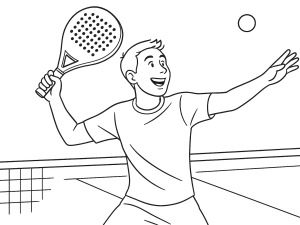
The reviewer highlights Tomas’s unique playing style, noting how he serves and controls the ball with remarkable skill despite his hand malformation. Viewers are shown footage of Tomas in action, demonstrating that his physical condition has not hindered his performance. The way he tosses the ball and maneuvers the racket showcases creativity and adaptability, offering inspiration to players of all abilities.
Tomas himself emphasizes that he never viewed his hand as a handicap. He explains that he simply learned to do things differently, and if he didn’t enjoy an activity, it was never because of his hand. This mindset allowed him to approach padel—and life—with confidence and resilience.
The importance of mindset and breaking internal barriers
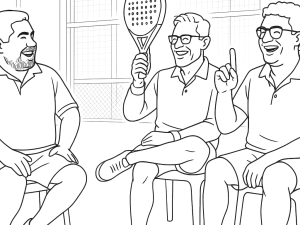
Throughout the conversation, Tomas and the hosts discuss the concept of “disability” and how much of what holds people back is mental rather than physical. Tomas believes the real barrier is in the mind. He points out that many people avoid trying new things because they fear failure or assume they won’t succeed. For Tomas, the key is to try regardless of perceived limitations.
He encourages others not to let self-doubt dictate their choices. According to Tomas, everyone faces challenges, but it’s how we respond that defines us. His story serves as a reminder that resilience and a positive attitude can transform obstacles into opportunities for growth.
Padel as an inclusive sport for all abilities
The channel’s hosts and Tomas discuss the growing movement toward adaptive sports, particularly in tennis, and the potential for padel to follow suit. Tomas expresses a strong interest in promoting adaptive padel, both in the United States and internationally. He has already been contacted by organizations in Chile about getting involved in adaptive padel initiatives and is eager to help bring similar programs to the U.S.
Tomas sees padel as an inherently inclusive sport, suitable for people with a wide range of physical abilities. He believes that with the right support and visibility, padel can become a model for accessibility and inclusion in racket sports.
Everyday life and self-acceptance beyond the court
Beyond his achievements in padel, Tomas describes how his hand has not limited his daily life. He drives manual transmission cars in Chile without restrictions and manages all tasks independently. Tomas shares that he has never considered seeking surgical intervention or prosthetics, as his identity and confidence are closely tied to embracing who he is.
This acceptance and self-assurance are reflected in his coaching and interactions with players, where he encourages others to focus on their strengths and not let perceived weaknesses define them.
Key takeaways and inspirational messages from Tomas’s journey
- Family support and encouragement play a crucial role in overcoming challenges.
- Mindset is often the biggest barrier—believing in yourself is essential.
- Adaptability and creativity can turn perceived limitations into unique strengths.
- Padel is an inclusive sport, accessible to people of all abilities.
- Self-acceptance leads to confidence both on and off the court.
Tomas’s journey is a powerful example of how determination, resilience, and a supportive environment can help anyone thrive in padel and beyond. His story encourages players and families facing similar challenges to give padel a try and to remember that the only real limits are the ones we set for ourselves.