Padel’s unique ability to unite generations on the court
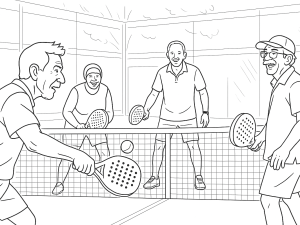
The reviewer from Padel Smash Academy highlights a remarkable scene: on one padel court, a 14-year-old girl rallies with an 88-year-old man, joined by an 18-year-old and an adult player. This vivid example underscores padel’s rare capacity to bring together players from vastly different age groups in a single, competitive, and enjoyable match. The creator points out that it’s not just possible for multiple generations to share the court—it’s a common and celebrated aspect of the sport.
Such inclusivity is rarely seen in other racket sports. Padel’s forgiving court size, glass walls, and doubles format make it accessible for both the very young and the elderly, allowing families and friends of all ages to play together. The reviewer notes that it’s “mind-blowing” to witness two or even three generations competing side by side, sharing laughter, and building memories through the game.
Starting young and playing for a lifetime
One of the most compelling points made by the channel is padel’s suitability for every stage of life. The reviewer suggests that children can begin playing as young as three or four years old, and with the sport’s low-impact nature, continue well into their 80s and 90s. This longevity is rare in sports, making padel a true “ageless” activity.
The video’s footage of a grandfather playing with his grandchildren is a testament to the sport’s family-friendly appeal. The channel emphasizes that padel is not just about competition—it’s about enjoyment, connection, and shared experiences that span decades. For many, the ability to play alongside both younger and older family members is a unique and cherished aspect of the game.
Health and social benefits for all ages
Beyond its inclusivity, the reviewer highlights padel’s significant health benefits. The sport offers a cardiovascular workout that’s gentle on the joints, making it ideal for seniors while still providing enough intensity for younger, more athletic players. The mental stimulation of strategy, quick reflexes, and teamwork keeps players sharp at any age.
Equally important are the social advantages. Padel’s doubles format encourages communication and camaraderie, fostering a sense of community that extends beyond the court. The reviewer notes that it’s common to see friendships form between players of different ages and backgrounds, further enhancing the sport’s appeal.
Padel’s accessibility and low barrier to entry
Another key point from the channel is padel’s accessibility. Unlike some racket sports that require advanced technique or significant physical strength, padel’s learning curve is gentle. Beginners can rally and enjoy the game within their first session, regardless of age or prior experience.
- Small court size: Reduces running distance, making it manageable for all fitness levels
- Enclosed walls: Keeps the ball in play, extending rallies and reducing frustration for novices
- Lightweight rackets: Easy to handle for children and seniors alike
- Doubles format: Promotes teamwork and allows less mobile players to participate fully
This accessibility is a major reason why padel has become a favorite among families, schools, and senior communities worldwide.
Real-life inspiration from the court
The reviewer’s observations are brought to life by the real-world examples shown in the video. Watching an 88-year-old confidently exchanging shots with a 14-year-old is both inspiring and motivating. It challenges common perceptions about age and physical activity, proving that enjoyment and skill in padel are not limited by birth year.
These moments serve as powerful reminders that padel is more than just a sport—it’s a vehicle for lifelong learning, friendship, and fun. The channel encourages viewers to embrace the opportunity to play with people of all ages, whether as a beginner or a seasoned veteran.
Key takeaways on padel’s ageless appeal
- Padel is truly a sport for all ages, with players as young as 3 and as old as 90 sharing the court.
- Family and multi-generational play are common, making padel unique among racket sports.
- Health and social benefits extend to every age group, supporting both physical fitness and mental well-being.
- Accessible rules and equipment ensure that beginners of any age can quickly join in and enjoy the game.
- Community spirit is fostered through doubles play and inclusive club environments.
Padel Smash Academy’s video offers a compelling look at why padel is celebrated as an ageless, welcoming sport. The scenes of young and old playing together are a testament to the game’s universal appeal and enduring popularity.