The most common mistake: incorrect distance to the ball during the bandeja
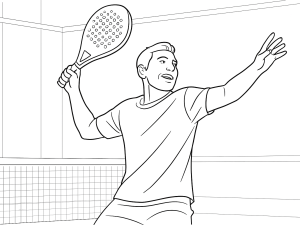
The creator from Mejora Tu Padel begins by highlighting the distance to the ball as the most frequent error when executing the bandeja in padel. This mistake occurs when players strike the ball either too close to their body or too far away, leading to awkward, ineffective shots. Through on-court demonstrations, the reviewer shows how hitting the ball too close results in a cramped, restricted swing, often forcing parallel shots with little control. On the other hand, contacting the ball too far away causes late, weak impacts, usually sending the ball cross-court unintentionally.
The ideal contact point is described as the “sweet spot,” where the player has enough space to swing comfortably and direct the ball as intended. The reviewer emphasizes that, in real match situations, it’s not always possible to reach this optimal position, but striving for it improves both control and shot variety. Adjusting footwork and anticipating the ball’s trajectory are key to consistently finding the correct distance.
How court position and distance from the net affect your bandeja
The second major error discussed is standing at the wrong distance from the net when playing the bandeja. Many amateur players, and even some professionals, make the mistake of retreating too far from the net after a lob, then attempting the bandeja from deep in the court. The reviewer demonstrates how, the further back you are, the less court you can see and the more difficult it becomes to execute an effective shot.
When forced to play from deep, the reviewer recommends extending the follow-through and relaxing the grip to generate more whip and depth, rather than trying to hit harder. This helps the ball travel deeper and with more control, compensating for the increased distance. The creator also notes that, when closer to the net, players have a better angle and more options, but must still be careful not to overhit or lose control.
Adapting shot depth based on the rival’s position
The third error centers on misjudging the depth of the bandeja relative to the opponent’s court position. The channel illustrates this by having a partner move progressively closer to the net, forcing the player to adjust the depth and trajectory of each shot. When the rival is deep, the player has more margin for error and can play longer, higher shots. As the rival advances, however, the bandeja must be played lower and shorter to avoid easy volleys or counterattacks.
The reviewer suggests a practical tip: when unsure, aim for the opponent’s feet. This makes it more difficult for them to volley aggressively and keeps them pinned back. As the rival approaches, it becomes critical to control the ball’s depth and reduce its speed, ensuring it lands low and out of reach. Failing to do so gives the opponent an easy opportunity to attack or win the point outright.
Managing shot speed to maintain control and avoid counterattacks
The fourth mistake is hitting the bandeja with excessive speed, especially when not in an ideal position. The reviewer explains that many players, when uncomfortable—whether due to poor distance, awkward footwork, or pressure from the rival—try to compensate by hitting harder. This often backfires, as fast, poorly controlled shots are easier for the opponent to counterattack, particularly if the player cannot recover their position in time.
The channel’s advice is clear: adjust the speed of the bandeja to match your comfort and positioning. Sometimes, playing a slower, more controlled shot is far more effective, allowing time to recover and reducing the risk of giving away an easy point. The reviewer reinforces that “playing slower is often playing better,” especially when under pressure or out of position.
Advanced insight: reading the rival’s grip and preparation
The fifth and final error is aimed at more advanced players: failing to read the opponent’s grip and racket preparation before the bandeja. The creator points out that observing the rival’s grip and arm position can reveal whether they are likely to play a defensive, floating shot or a more aggressive, downward stroke. For example, a very open grip and high preparation usually signal a shot that will float or travel upward, making it easier to anticipate and move forward to intercept.
Recognizing these cues allows players to adjust their own positioning and prepare for a possible attack or counter. The reviewer notes that this skill becomes especially valuable in tight match situations or against experienced opponents who disguise their shots well. By paying attention to the rival’s preparation, players can gain a tactical edge and respond more effectively to the bandeja.
Summary of the five key bandeja mistakes and practical takeaways
Throughout the video, the Mejora Tu Padel channel provides clear demonstrations and actionable tips for correcting the most common bandeja errors. To recap, the five main mistakes are:
- Incorrect distance to the ball: Too close or too far, reducing control and shot quality.
- Poor court positioning: Standing too far from the net, making the shot harder and less effective.
- Misjudging shot depth: Failing to adapt the bandeja’s depth to the rival’s position.
- Excessive shot speed: Hitting too hard when uncomfortable, leading to easy counterattacks.
- Ignoring the rival’s preparation: Not reading grip and arm cues that signal the opponent’s intentions.
By focusing on these areas, players at all levels can improve their bandeja, making it a more reliable and strategic shot. The reviewer’s practical demonstrations and clear explanations offer valuable guidance for anyone looking to refine their padel technique and avoid these widespread mistakes.