Bill Ullman’s journey from squash and tennis to padel leadership
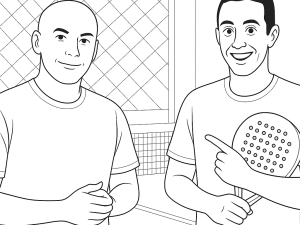
The channel introduces Bill Ullman as a USPA committee member, accomplished squash player, and an enthusiastic padel competitor. Ullman’s entry into padel began about five or six years ago, during a trip to the Bahamas with college friends—all former tennis and squash players. What started as a casual weekend at the Albany club quickly became a full immersion into padel, as the group found themselves captivated by the sport’s unique blend of strategy and athleticism.
When the pandemic hit, Ullman’s passion for padel only grew, albeit from a distance. He spent much of the lockdown period watching padel videos online, deepening his understanding of the game. The opening of Padel House in Brooklyn marked a turning point, allowing him to return to the courts and compete in tournaments across the United States. His dedication paid off with the opportunity to represent the USA at the Pan American Games, a highlight in his evolving padel journey.
Transitioning skills from squash and tennis to padel
Ullman’s background in both squash and tennis provided a solid foundation for his rapid adaptation to padel. He describes padel as a sport that rewards players with experience in racket sports, particularly those who appreciate the strategic, chess-like aspects of the game. The need to constantly assess positioning, shot selection, and tactics mirrors the mental demands of squash and tennis, but with the added excitement of doubles play.
He emphasizes the enjoyment of having a partner on court, highlighting his long-standing partnership with Ron Bobman, with whom he has won both squash and padel tournaments. The camaraderie and teamwork inherent in padel doubles are central to Ullman’s enjoyment of the sport.
Growth and accessibility of padel in New York and beyond
According to Ullman, New York City exemplifies the explosive growth of padel in the United States. In just eighteen months, the city expanded from having no courts to twelve courts spread across multiple clubs:
- Padel House in Williamsburg
- A second Padel House location in Dumbo
- Reserve Padel in Hudson Yards
- Domino Park courts (counted as part of Williamsburg Padel House)
This rapid development is mirrored in other regions, with significant growth in cities like Miami, Raleigh, and anticipated expansion on the West Coast, particularly in Los Angeles. Ullman attributes padel’s appeal to its accessibility, making it easy for new players to get involved and for clubs to fill their courts quickly.
Key challenges and priorities for padel’s future in the US
Ullman identifies several crucial areas for further development to ensure the sport’s continued success:
- Increasing court and club capacity to meet growing demand
- Investing in youth development to build a pipeline of competitive players
- Ensuring equal access for both men and women
He stresses that all these elements must progress simultaneously to create a sustainable and inclusive padel ecosystem. The current momentum, he believes, will drive strong growth over the next five to ten years, positioning the US as an emerging force in international padel.
Competing at the Pan American Games and learning from top players
Representing the USA at the Pan American Games has been a transformative experience for Ullman. He openly admires the skill, patience, and shot-making abilities of the international players he has faced, noting that the level of play is both inspiring and humbling. Despite only playing padel for about two years, Ullman is committed to improving his game, particularly in overcoming impatience—a trait he carried over from his tennis and squash days.
He views these high-level competitions as valuable learning opportunities, not just for himself but for all American players aspiring to reach the next level. Observing top amateur and professional talent firsthand provides a benchmark for skill development and tactical growth.
Personal commitment and coaching ambitions
Ullman’s dedication to padel borders on the obsessive, with his self-assessed “addiction level” rated at a 10 out of 10—a sentiment echoed (and even exaggerated) by his family. His enthusiasm extends beyond playing; he traveled to Orlando to pursue coaching certification, motivated by a desire to both teach and refine his own skills. With prior experience coaching tennis and squash, Ullman believes that learning to teach padel will make him a more effective player and ambassador for the sport.
Quick-fire insights: preferences, strengths, and goals
In a rapid-fire segment, Ullman shares several personal insights:
- Preferred side: Comfortable playing both right and left, but generally favors the right
- Best shot: Forehand cross-court roller (“chiquita” with topspin)
- Weakest shot: Overhead, especially the vibora
- Favorite partner: Ron Bobman, though he jokes about being replaced for competitive reasons
- Favorite professional players: Admits to not following the pro game closely, finding their skill level almost unrelatable
- 2024 goals: Compete in senior and open tournaments, and become a more patient player
The path ahead for American padel
Ullman’s story, as highlighted by Padel Smash Academy, reflects the passion and collaborative spirit driving padel’s rise in the United States. His journey from squash and tennis to padel leadership, combined with his commitment to coaching and community building, underscores the sport’s inclusive and dynamic future. With continued investment in infrastructure, youth development, and equal access, the US padel scene is poised for sustained growth and international competitiveness.