Background on the meniscus injury and decision for surgery
The creator from Mejora Tu Padel opens up about a longstanding issue with his right knee, specifically a persistent meniscus injury that has affected his ability to play padel at his usual level. Over time, the pain and instability increased, making it difficult not only to compete but also to continue reviewing padel rackets and producing content for his audience. The injury included a flap on the external meniscus and concerns about cartilage, similar to what footballer Luka Modric experienced.
With the 2023 season concluded, the decision was made to undergo surgery at the hands of Dr. Manuel Leyes, a renowned specialist in knee operations. The goal was clear: address the meniscus issue and begin a focused rehabilitation, aiming to return to padel—if not at the highest level, at least to a point where he could continue sharing his passion and expertise with the community.
Details of the surgical procedure and immediate aftermath
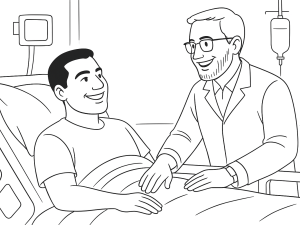
The operation took place at the Olimpia Clinic under Dr. Leyes and his team. According to the creator, the procedure went smoothly, with the main focus on repairing the meniscus. Importantly, the cartilage—initially a concern—was found to be in acceptable condition and did not require intervention. This positive outcome meant a more straightforward recovery process.
Post-operation, the creator reported some expected pain and swelling, but overall, the initial recovery was promising. He was able to leave the clinic soon after, expressing gratitude for the support from friends and the medical team. The early days were marked by careful monitoring and strict instructions to minimize walking and avoid unnecessary strain on the knee.
First steps in rehabilitation and physiotherapy
Within 72 hours of surgery, the rehabilitation process began. The initial focus was on gentle physiotherapy, cryotherapy, and the use of a pressure machine to control swelling and inflammation. The creator emphasized the importance of reducing inflammation early to prevent muscle loss, especially given his history of chondromalacia patellae (degeneration of the cartilage under the kneecap).
He described the emotional challenge of being sidelined, especially when passing by the padel courts, but stressed the necessity of patience and discipline during this critical phase.
Daily exercises and strategies for muscle activation
The channel shared a detailed look at the daily exercises used to maintain muscle activity and prevent atrophy. The initial exercises were performed without load to avoid stressing the healing meniscus. Key components included:
- Quadriceps stimulation: Isometric contractions with a roller under the knee, focusing on knee extension and muscle activation without weight-bearing.
- Ankle mobility: Using elastic bands for push-ups and twists to preserve ankle and tibialis anterior function.
- Calf and hip flexor work: Extensions with elastic bands and isometric holds to engage the rectus femoris and hip flexors.
These exercises were designed to maintain tone and mobility in the affected leg, while also preventing compensation patterns that could lead to further issues.
Insights from muscle activation testing and neural retraining
One of the most revealing aspects of the rehabilitation process was a muscle activation study conducted by the medical team. The test measured how the different quadriceps muscles contracted during knee extension. The results showed that one of the four quadriceps heads was almost entirely inactive, forcing the others to compensate and creating long-term imbalances.
This imbalance, particularly in the vastus lateralis (outer thigh), had likely contributed to years of abnormal knee mechanics and cartilage wear. The creator highlighted the importance of neuromuscular retraining—learning to consciously activate the dormant muscle using biofeedback and targeted exercises. This approach not only aids recovery but could also help prevent future injuries by restoring balanced muscle function.
Common mistakes and lessons for padel players with knee injuries
The channel was candid about the challenges of recovery, including the temptation to do too much, too soon. On days when he exceeded activity recommendations—such as walking more than advised or trying to keep up with daily routines—the knee responded with increased swelling and discomfort. This served as a reminder of the importance of respecting the body’s limits during rehabilitation.
For other padel players facing similar injuries, the creator stressed the value of:
- Early and accurate diagnosis by a specialist
- Strict adherence to post-surgical protocols
- Gradual, well-supervised physiotherapy focused on muscle activation and joint mobility
- Listening to the body and avoiding overexertion, especially in the first weeks
Support network and ongoing rehabilitation plans
Throughout the process, the creator acknowledged the crucial role of his support network—family, friends, physiotherapists, and collaborators. He credited their expertise and encouragement with helping him stay motivated and on track, even during difficult moments.
Looking ahead, the rehabilitation plan includes continued physiotherapy, progressive strengthening, and the introduction of advanced modalities such as electromagnetism therapy. The channel promised to share further updates and insights as recovery progresses, aiming to help others who may be navigating similar challenges.
Key takeaways for the padel community
This candid account offers valuable lessons for padel players dealing with knee injuries. The creator’s experience underscores the importance of early intervention, individualized rehabilitation, and neuromuscular education. By sharing both setbacks and successes, the channel provides a realistic roadmap for returning to the court after meniscus surgery—reminding viewers that patience, discipline, and expert guidance are essential for a safe and effective recovery.