Breaking down the backhand lob: key steps for effective execution
The backhand lob is a crucial shot in padel, especially when players are under pressure or need to regain control of the point. According to Padel Smash Academy, mastering this shot requires attention to detail in both technique and preparation. The channel outlines a step-by-step approach that helps players of all levels improve their backhand lob consistency and effectiveness.
Step-by-step guide to the backhand lob technique
The reviewer presents a clear five-step sequence for executing the backhand lob, emphasizing the importance of each phase. Here’s a breakdown of the process:
- Step 1: Ready position, western grip, open paddle face – Begin with a balanced stance, adopting a western grip, and ensuring the paddle face is open to facilitate lift.
- Step 2: Step back and setup – Move your body backward, preparing for the shot while keeping the paddle face angled upward.
- Step 3: Shuffle back – Use small, controlled shuffling steps to adjust your position, maintaining balance and readiness.
- Step 4: Contact point in front – Make contact with the ball in front of your body, which allows for better control and elevation.
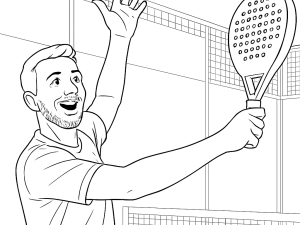
- Step 5: Follow through above the right elbow – Finish the shot with a high follow-through, breaking the elbow and ending above the right shoulder for optimal trajectory and spin.
This structured approach helps players avoid common mistakes such as hitting the ball too late or failing to generate enough height and depth.
Importance of grip and paddle orientation in the backhand lob
The reviewer highlights the significance of using a western grip for the backhand lob. This grip, combined with an open paddle face, makes it easier to lift the ball over opponents and achieve the desired trajectory. Many beginners struggle with this aspect, often using a closed face or improper grip, resulting in low or mishit lobs. By focusing on grip and paddle orientation, players can develop a more reliable and effective backhand lob.
Body movement and footwork for optimal positioning
Proper footwork is essential for executing the backhand lob under pressure. The channel emphasizes the importance of stepping back and shuffling, rather than lunging or reaching. Controlled shuffling allows players to maintain balance and adjust to the ball’s trajectory, ensuring they are in the right position for a clean contact point. This attention to movement helps prevent rushed or off-balance shots, which are common errors in match situations.
Contact point and follow-through: maximizing control and height
Making contact with the ball in front of the body is a recurring theme in the reviewer’s advice. This positioning gives players better leverage and control, allowing them to lift the ball with precision. The follow-through is equally important; by breaking the elbow and finishing above the right shoulder, players can generate the necessary height and spin to send the ball deep into the opponent’s court. The channel demonstrates how this finishing motion prevents the ball from sailing long or falling short.
Common mistakes and how to avoid them
The channel identifies several pitfalls that players often encounter when attempting the backhand lob:
- Hitting the ball too late, resulting in a weak or low shot
- Using a closed paddle face, which reduces lift and control
- Failing to shuffle back, leading to poor positioning
- Neglecting the follow-through, causing inconsistent trajectory
By following the five-step process and focusing on each phase, players can systematically eliminate these errors and build confidence in their backhand lob.
Visual demonstration and practice recommendations
The reviewer encourages viewers to watch the technique in motion and practice each step individually. By breaking down the shot into manageable components, players can focus on their weaknesses and gradually integrate the full sequence. The channel suggests revisiting the demonstration and practicing regularly to internalize the movement and improve consistency.
Summary of the backhand lob’s role in padel tactics
The backhand lob is more than just a defensive shot; it’s a tactical tool that can shift the momentum of a rally. Mastering this technique allows players to escape pressure, reset the point, and force opponents out of position. By applying the structured approach outlined by Padel Smash Academy, players can add a reliable and effective backhand lob to their arsenal, enhancing both their defensive and offensive game on the padel court.