Repairing a padel racket: what is possible and what is not
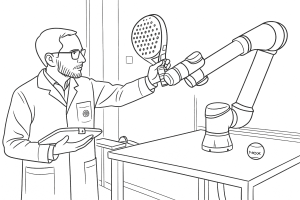
The channel Mejora Tu Padel dives into a question every padel player faces sooner or later: what can you do when your racket breaks? With the price of high-end rackets often reaching €300 or more, simply replacing a damaged racket isn’t always an option. The creator enlists the help of Fran, an experienced amateur racket repairer, to explore the realities of padel racket repair—covering costs, processes, and whether a repaired racket can ever truly feel like new.
Common types of padel racket damage and their impact
Padel rackets are especially prone to breakage due to the game’s environment: close walls, glass, and the risk of accidental impacts with partners or the court. The most frequent issues are cracks or breaks in the frame, chips on the edge, or damage to the face. Unlike tennis, where restringing is the main repair, padel repairs are structural and more complex.
Fran explains that the location and type of break are crucial. A crack on the edge or a minor chip is more easily repaired than a deep structural break through the face or core. However, even the best repairs can alter the racket’s original behavior, especially if significant material is added or if the break affects the core’s integrity.
Typical repair costs and what to expect
The reviewer and Fran outline the usual price range for padel racket repairs:
- Basic repair: €20–25 (edge or minor cracks, no cosmetic restoration)
- Professional repair with cosmetic finishing: up to €40 (includes painting and attempts to match original graphics)
These prices are considered affordable compared to the cost of a new racket. However, the channel cautions that the value depends on the racket’s original price and sentimental value. For discontinued or rare models, repair may be the only way to keep playing with a favorite racket.
Repair process: materials, time, and limitations
Fran details the repair process, emphasizing the importance of using the right materials. Most repairs use 3K carbon fiber sheets due to their lower cost and availability. Higher-grade fibers like 12K or 18K carbon are rarely used in repairs because of their price, even though they may match the original construction of premium rackets.
The repair timeline is dictated by the curing time of epoxy resins used to bond and reinforce the damaged area. While the resin may dry in 48 hours, full mechanical strength is only achieved after 7–14 days as recommended by manufacturers. This means players should plan for at least a week without their racket if they want a durable repair.
Performance and feel of a repaired racket
One of the most important questions is whether a repaired racket plays the same as before. According to Fran and the reviewer, the answer depends on the extent and location of the repair. Even with careful work, changes in balance and weight distribution are likely, especially if extra material is added to reinforce the break. The core’s behavior may also change, subtly affecting power and control.
Cosmetically, most repairs are visible up close, though some professionals can closely match the original paint and finish. For players who value aesthetics or compete at a high level, this may be a drawback. However, for recreational players or those attached to a specific model, the trade-off can be worthwhile.
When is it worth repairing your padel racket?
The channel stresses the importance of a cost-benefit analysis before deciding to repair. If the racket is a recent purchase, a warranty claim may be possible—especially for manufacturing defects. However, most warranties do not cover accidental damage or wear from normal play.
Repair is most worthwhile when:
- The racket is expensive or rare
- The break is minor and does not affect the core
- The player is comfortable with potential changes in feel or appearance
For older or low-cost rackets, or when the break is severe (“siniestro total”), replacing the racket may be the better option.
Expert advice for players considering a repair
Fran recommends that players carefully evaluate the type and location of the damage before committing to a repair. He suggests consulting with a repair specialist and, if possible, seeing examples of their previous work. For those interested in DIY repairs, starting with minor edge chips and learning about the layers and materials used in padel rackets can be a good introduction.
Ultimately, the decision comes down to personal preference, the value of the racket, and the player’s expectations for performance after repair. With the right approach, many rackets can enjoy a second life on the court—even if they never quite feel brand new again.
Repairing a padel racket is a viable option for many players, especially when the alternative is an expensive replacement. By understanding the process, costs, and limitations, players can make informed decisions and potentially extend the life of their favorite racket.