Perspectives on success from top padel professionals
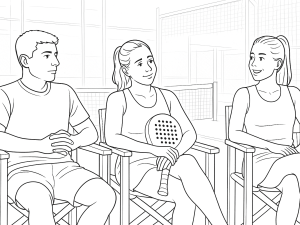
The roundtable hosted by the4Set brought together three of the world’s leading padel players: Juan Tello, Paula Josemaría, and Marta Ortega. The conversation opened with a deep dive into what success means for each athlete. For Tello, success is rooted in sacrifice and hard work, emphasizing the relentless effort required to reach the top. Josemaría highlighted self-improvement as her personal definition, focusing on the ability to surpass one’s own limits. Ortega offered a broader view, associating success not only with sporting achievements but also with daily happiness and fulfillment in life.
These insights reveal that for elite padel players, success goes far beyond trophies and rankings. It’s a blend of personal growth, dedication, and finding joy both on and off the court.
Learning from failure and embracing setbacks
When discussing failure, the players unanimously rejected the idea of failure as a final or tragic outcome. Ortega argued that with the right mindset, “you never really fail”—instead, mistakes are opportunities to find better approaches. Josemaría agreed, stressing the importance of reframing setbacks as learning experiences rather than catastrophes. Tello added that, whether it’s losing in the early rounds or making technical errors, the key is to analyze what happened and use it as fuel for improvement.
All three players emphasized that failure is a natural part of both sport and life, and that the most important response is to extract lessons and move forward stronger.
Moments of triumph and disappointment on and off the court
The conversation turned personal as the athletes reflected on their most recent experiences of success and disappointment. Tello spoke about the emotional challenge of ending a long-term partnership, describing it as both painful and ultimately rewarding due to the growth it brought. Josemaría finds success in the small moments—enjoying herself on court and giving her all, even if the outcome isn’t always victory. For her, disappointment arises when she realizes, upon reflection, that she could have contributed more during a match.
Ortega cited reaching world number one and winning a world championship as moments of immense satisfaction, but also mentioned her graduation as a personal milestone. Disappointment, for her, is tied to not recognizing herself in her own attitude—both on and off the court—rather than any specific result.
- Success for Tello: Growth after partnership changes
- Success for Josemaría: Enjoyment and effort in every match
- Success for Ortega: Major titles and personal achievements
- Disappointment: Missed opportunities to give more or stay true to oneself
Purpose, legacy, and life beyond padel
The players also explored the concept of ikigai, or life purpose. Josemaría aspires to leave a positive mark, both in padel history and in her personal relationships, cherishing time with family and friends. Ortega echoed this sentiment, wishing to be remembered as someone reliable and supportive within her close circle. Tello’s purpose centers on being a good example, especially for his children, and enjoying every stage of life—on and off the court.
All three agreed that while sporting legacy is important, the impact they have on those closest to them is even more significant.
Balancing the athlete persona with personal identity
The discussion addressed the challenge of separating the “character” they embody on court from their everyday selves. Tello admitted that it’s sometimes difficult to leave the competitive persona behind, but emphasized the importance of staying grounded. Josemaría and Ortega both felt they remain true to themselves off the court, although the intensity and ambition required during matches can bring out a different side of their personalities.
This balance is crucial, as maintaining authenticity helps them manage the pressures of professional sport and avoid being consumed by their public image.
The role of ego and teamwork in professional padel
Padel, as a doubles sport, requires a delicate balance between self-confidence and collaboration. The players acknowledged that a certain degree of ego is necessary to withstand the sport’s pressures and setbacks. However, they stressed that success in padel also demands empathy, communication, and the ability to work closely with partners and coaches.
Josemaría summed it up: “You need enough ego to stay resilient, but also the humility to support and be supported by your team.”
Handling slumps and regaining confidence
Inevitable periods of poor form—“malas rachas”—were a recurring theme. All three players admitted to experiencing self-doubt during tough stretches. Tello described the anxiety of losing confidence in his shots and decision-making. Josemaría noted that rebuilding trust in oneself often requires time and the support of coaches and teammates. Ortega highlighted the importance of quickly resetting mentally after a bad match, reminding herself that she is the same player regardless of the outcome.
- Key strategies for overcoming slumps:
- Relying on support teams
- Focusing on daily improvement
- Maintaining perspective and emotional balance
The highs and lows of a professional padel career
When asked about the most challenging aspects of their profession, the players were unanimous: time away from family and the relentless travel schedule are the hardest parts. Missing important moments with loved ones often makes them question whether the sacrifices are worth it. However, the joy of playing, the thrill of competition, and the support from fans and close friends make the journey rewarding.
Ortega and Josemaría especially value the opportunity to inspire others, recalling the excitement of young fans seeking autographs and photos. Tello finds extra motivation in new challenges, such as adapting to frequent changes in playing partners, even if he wishes for more stability in the sport.
- Biggest challenges: Distance from family, constant travel, instability in partnerships
- Greatest rewards: Competing at the highest level, inspiring fans, personal growth
Looking ahead: life after the professional circuit
Finally, the players shared their visions for the future. Tello hopes to travel for pleasure and truly enjoy new experiences once his playing days are over. Josemaría envisions staying connected to padel, possibly as a coach, while also prioritizing family time. Ortega dreams of combining a career in sports medicine with family life, continuing her involvement in padel from a different perspective.
Their reflections highlight the depth, resilience, and humanity behind the world’s top padel players—reminding fans that, beyond the court, they are driven by the same hopes, doubts, and dreams as anyone else.