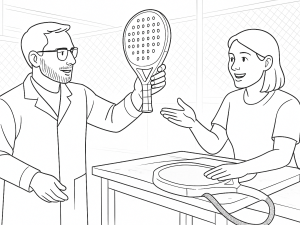
Babolat launches a new padel racket production lab in Spain
The channel highlights a major development in the padel world: Babolat, a leading French brand, has announced the opening of a new padel racket production and development lab near Barcelona, Spain. This move is especially significant because Babolat has historically produced its rackets in China, following the industry trend for large-scale manufacturing. The decision to establish a facility in Spain marks a strategic shift, aiming to bring innovation and a more localized approach to padel racket design and production.
Key motivations behind Babolat’s Spanish production center
According to the reviewer, Babolat’s announcement came somewhat quietly, revealed during an event in Madrid attended by notable figures such as Juan Lebrón and Eric Babolat. The new lab is not just a manufacturing site but a hub for research, development, and innovation. The reviewer notes that, while there may not have been a pressing need for Babolat to produce rackets in Spain—given their strong sales in Italy and other markets—the move is seen as a bold, forward-thinking step, reminiscent of strategies used by tech giants like Apple.
The lab’s location, about 60 km from Barcelona in a small town, was unexpected. The reviewer speculates that Babolat may have acquired an existing facility with expertise in racket development, allowing them to hit the ground running with their new Spanish venture.
The four main objectives of the new Babolat lab
Babolat has outlined four primary goals for its Spanish lab, as reported by the channel:
- Innovation: All new models will be designed and developed at this facility, making it the epicenter of Babolat’s future padel technology.
- Player support: The lab aims to serve both professional and amateur players, focusing on tailored service and support, though the reviewer notes that details for amateurs remain somewhat vague.
- Flexible, small-batch production: The lab will enable limited, custom runs of rackets, allowing for greater agility and responsiveness to player needs and market trends.
- Spanish padel culture: By situating the lab in Spain, Babolat acknowledges the country’s central role in the global padel scene and aims to tap into its rich cultural and technical heritage.
This approach positions Babolat to not only innovate but also to respond quickly to trends and demands within the sport, potentially setting a new standard for premium padel racket production.
What rackets will be produced in Spain, and when?
One of the key questions addressed by the reviewer concerns which Babolat rackets will be made at the new Spanish lab. The initial production is described as a “work in progress,” with the lab expected to start operations in spring 2024. The goal is to introduce new models to the market by 2025, with the possibility of limited-edition rackets being released even sooner, within 2024.
The reviewer specifically asked if the highly anticipated Lebrón 2024 model would be produced in Spain, but Babolat confirmed that this will not be the case. Instead, the first “Made in Spain” rackets will be new, possibly exclusive models, produced in small quantities to test the market and showcase the lab’s capabilities.
Pricing strategy for Spanish-made Babolat rackets
Another major concern for players is price. The reviewer notes that Babolat’s current top models, such as the Viper, retail for around €280. With the move to small-batch, Spanish production, there was speculation that prices could rise significantly—potentially to €450–€500 per racket, especially for custom or limited editions.
However, Babolat has indicated that the new Spanish-made rackets will likely fall within the €300–€350 range. This keeps them competitive with current market standards, offering a premium product without an excessive price jump. The reviewer sees this as a positive sign that Babolat intends to make “Made in Spain” rackets accessible to a broader segment of dedicated players, not just professionals or collectors.
Potential impact on Babolat’s global production and player choices
The channel raises important questions about the future of Babolat’s production strategy. While the Spanish lab represents a significant step, it is not expected that all Babolat rackets will shift to Spanish manufacturing. Most of the brand’s lineup will likely continue to be produced in China, with the Spanish lab focusing on innovation, special editions, and possibly professional player needs.
There is also curiosity about whether Babolat-sponsored athletes will transition to using Spanish-made rackets or continue with models produced in China. The reviewer notes that some details remain under embargo, and more information will be revealed as the lab ramps up production and begins to release its first models.
Key takeaways from Babolat’s new Spanish production initiative
- Babolat is opening a padel racket production and development lab near Barcelona, Spain.
- The lab’s focus is on innovation, player support, flexible small-batch production, and leveraging Spanish padel culture.
- Initial production will begin in spring 2024, with new models expected in 2025 and possible limited editions in 2024.
- Pricing for Spanish-made rackets is expected to be in the €300–€350 range, keeping them competitive in the premium market.
- The move is seen as a bold, positive step for Babolat, signaling a commitment to quality, innovation, and the European padel community.
This development is likely to influence both the perception of Babolat within the padel world and the broader trend of premium racket manufacturing in Europe. The channel expresses optimism and curiosity about the future of Babolat’s Spanish-made rackets and their impact on the market.