Understanding padel racket construction and weak points
The reviewer from the4Set begins by emphasizing the importance of knowing how a padel racket is built to understand why certain care tips matter. The core of every padel racket is a foam piece of varying densities, which determines much of the racket’s feel and performance. On top of this core, manufacturers layer 2–4 sheets of material—most commonly fiberglass or carbon fiber. To protect the structure, a tubular frame, often made from carbon fiber, is placed around the edge. While some modern rackets skip this tubular, it remains the standard for durability.
The creator highlights that the center and frame are the most delicate parts. Excessive flexing, especially from improper ball pickup techniques, can lead to cracks or breakage. Understanding these weak points is crucial for effective racket care.
Proper technique for picking up balls to avoid damage
One of the most common habits that shortens a racket’s lifespan is using it to scoop up balls from the court. Unlike tennis rackets, padel rackets are more vulnerable to damage from this gesture. The channel explains that hitting the ball flat against the ground causes the materials to flex at their weakest point—the center—risking cracks or structural fatigue.
To minimize harm, the reviewer suggests a quick front-to-back movement rather than a direct, flat pickup. This reduces the stress on the racket’s core and frame. Adopting this small change in technique can significantly extend the life of your padel racket.
Frame protectors: benefits, drawbacks, and best options
The frame is especially prone to chips and cracks from contact with walls and the ground. Most brands address this by adding a protector to the frame. However, not all protectors are created equal. Some, like those found on certain Bullpadel and Adidas models, require holes or extra weight added to the frame, which can actually weaken it further.
The reviewer’s preferred solution is the transparent silicone protector used by HEAD. It is subtle, affordable (typically 2–3 euros), and effectively prevents scratches without compromising the racket’s structure. However, the creator cautions that any protector will add weight—usually around 10 grams—which can shift the racket’s balance higher. Players should consider this before installation, as it may affect handling and performance.
Changing the overgrip for better control and safety
Another often-overlooked aspect of racket care is the overgrip. As the only part of the racket in direct contact with the hand, a worn or slippery overgrip can lead to lost points and even accidents. The channel stresses the importance of replacing the overgrip regularly to maintain optimal grip and comfort. This simple maintenance step can prevent frustration and help players perform at their best.
Managing temperature and storage to protect materials
Temperature fluctuations have a significant impact on padel rackets. The reviewer notes that playing in extreme heat—such as 45ºC in Dubai—will make the racket feel much softer, while colder conditions—like 10ºC in Stockholm—will have the opposite effect. The materials expand and contract with temperature changes, increasing the risk of breakage.
One of the most common mistakes is leaving the racket in a car trunk, where temperatures can swing dramatically. This constant expansion and contraction weakens the materials over time. The creator recommends always storing the racket in a dry, shaded place at home. Using a bag with thermal insulation can further protect against temperature extremes, though it is not a complete solution.
Avoiding wet balls and moisture to prevent structural damage
Playing with wet balls is another major risk factor for racket damage. A standard padel ball weighs about 60 grams, but when wet, it becomes much heavier. This extra weight forces players to hit harder, putting more stress on the racket and increasing the likelihood of breakage. The reviewer shares personal experience of breaking several rackets due to this issue.
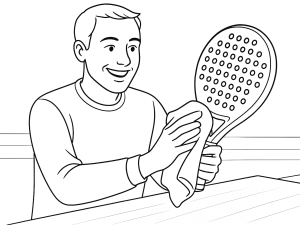
Humidity and moisture can also seep into the racket, weakening the materials. If the racket does get wet, it should be dried at home—but not with excessive heat, which can cause further harm. The key is to avoid playing in wet conditions whenever possible and to dry the racket gently if it becomes damp.
Rotating racket faces to balance wear and prolong life
As a bonus tip, the channel suggests not always using the same side of the racket for forehand and backhand shots. Many players develop a habit of holding the racket the same way for comfort, as the overgrip molds to their hand. However, this causes one face of the racket to wear out faster than the other, leading to uneven fatigue and inconsistent performance.
By consciously rotating the racket and alternating which face is used for different shots, players can distribute wear more evenly and extend the overall lifespan of their equipment.
Key takeaways for maximizing your padel racket’s durability
- Use proper technique when picking up balls to avoid stressing the core and frame.
- Choose frame protectors that do not require drilling or add excessive weight; silicone options are recommended.
- Replace the overgrip regularly to maintain control and prevent slips.
- Store the racket in a dry, temperature-stable environment—never in a car trunk.
- Avoid playing with wet balls and dry the racket carefully if it gets damp.
- Alternate racket faces to ensure balanced wear and consistent performance.
Following these practical tips from the4Set can help any player extend the life of their padel racket, avoid unnecessary breakage, and get the most out of their investment on the court.