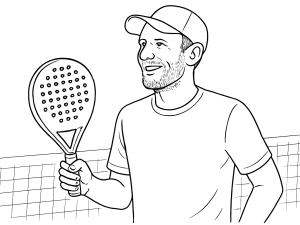
Key qualities to look for in a padel club director
The reviewer from Padel Smash Academy emphasizes that hiring the right padel club director is one of the most critical decisions a club owner can make. The director is not just a manager but the leader who sets the tone for the entire club. According to the channel, a great director must excel both inside and outside the court.
Inside the court, the director should:
- Know how to play padel at a high level
- Be able to coach and teach padel effectively
- Run clinics and develop coaching staff
This expertise ensures the director can identify and hire competent coaches, run quality clinics, and maintain high standards for lessons and programming. The reviewer stresses that being a good tennis player or coach does not automatically translate to padel expertise; the dynamics and teaching methods are distinct.
Outside the court, the director’s responsibilities expand significantly. They must:
- Create and manage programs and events
- Build and nurture the club community
- Market and promote the club
- Act as the face and ambassador of the club
- Take accountability for both successes and failures
The director’s presence and leadership style directly influence member retention, club culture, and overall success.
Balancing sports expertise with business and community skills
The channel points out a common challenge: finding directors who are both skilled in padel and experienced in club management, especially outside established markets like Miami. The reviewer suggests that, in emerging markets, it may be more practical to hire someone with a strong background in sports facility management—even if their padel experience is limited—and then help them transition into the specifics of padel.
Key qualities for candidates include:
- Experience in managing racket sports or sports facilities
- Familiarity with the local community and its needs
- Ability to adapt and learn the nuances of padel
- Strong business acumen and people skills
Bringing in someone from outside the community, even if they have impressive credentials from abroad, can be risky if they lack local connections. The reviewer recommends a balanced approach: prioritize local candidates with management experience and supplement their padel knowledge through training and mentorship.
Structuring the director’s role and workload
The channel provides a realistic view of the workload for a padel club director, especially during the first year of a new club. The initial six to eight months are described as particularly demanding, with directors often working 60–70 hours per week to establish operations, hire staff, and build momentum. This period is characterized by long days and a hands-on approach.
After the initial phase, the goal is to build a self-sufficient team and implement clear policies and procedures. This allows the director to delegate routine issues and focus on higher-level management, reducing the risk of burnout and ensuring sustainable leadership.
Best practices for compensation and contract structure
The reviewer discusses various compensation models and stresses the importance of aligning pay with performance. The most effective structure is a combination of base salary plus commission, which incentivizes the director to drive revenue and growth.
- Base salary range: $90,000–$150,000 per year (typical for experienced directors in the U.S.)
- Commissions: Percentage of revenue generated through programs, events, and memberships
This approach treats the director as an investment rather than a liability, motivating them to maximize club profitability. The reviewer also highlights the importance of complying with local labor laws, especially regarding overtime and independent contractor status, to avoid legal issues.
Creative strategies for maximizing club revenue and engagement
The channel emphasizes that a successful director must be proactive and inventive in filling downtime and keeping the club vibrant. For example, many clubs experience slow periods during midday or off-season months. The director should experiment with:
- Special events (e.g., themed tournaments, social mixers)
- Discounted rates during low-traffic hours
- Unique programming (e.g., music nights, food and beverage specials)
- Flexible membership or drop-in options
Every market is different, so creativity and adaptability are key. The reviewer notes that even small revenue gains during quiet times are preferable to empty courts, and member experience should always be a priority.
Building a sustainable leadership structure and club culture
Long-term success depends on empowering staff and creating clear policies. The reviewer recommends that, within the first year, the director should focus on:
- Hiring and training a reliable team
- Developing comprehensive policies and procedures for all scenarios
- Delegating authority so that routine issues are handled without constant oversight
- Fostering a positive, service-oriented club culture
This approach not only prevents director burnout but also ensures consistent member experiences and efficient club operations. The ultimate goal is for the director to become “invisible” in daily problem-solving, stepping in only for major issues or strategic decisions.
Summary of essential qualities and strategies for hiring a padel club director
- Padel expertise: Must be able to play, coach, and evaluate coaches
- Business and community skills: Ability to manage programs, market the club, and build relationships
- Local knowledge: Familiarity with the community enhances effectiveness
- Work ethic: Willingness to commit long hours, especially in the first year
- Compensation: Base salary plus commission aligns incentives
- Creativity: Proactive in generating revenue and engaging members
- Leadership: Focus on building a strong team and clear procedures for sustainable growth
According to Padel Smash Academy, investing in the right director and supporting them with the proper structure and incentives is the foundation for a thriving padel club. The director’s blend of on-court expertise, business sense, and community leadership is what ultimately drives member satisfaction and long-term success.