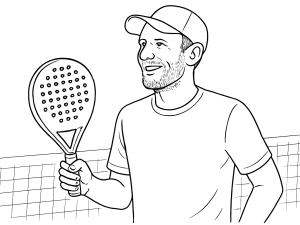
Challenges of launching a padel club in a new city
The channel highlights two main scenarios when opening a padel club in a new city: expanding a proven club concept into a new market, and launching a completely new club where padel is virtually unknown. Both approaches come with unique challenges, but the most significant hurdle is adapting strategies to fit local realities. The creators stress that what works in established padel cities may not translate directly to emerging markets. For example, a club model successful in Miami may struggle if copied exactly in places like Atlanta, Kansas, or Illinois, where padel is still gaining traction.
One of the first lessons from the channel’s consulting experiences is the importance of understanding the local sports landscape. In Minnesota, for instance, the first club in St. Paul combined padel with squash and pickleball to tap into existing player bases. However, even with this hybrid approach, attracting new padel players proved challenging. The key takeaway: a deep understanding of local sports preferences and demographics is essential before launching.
Building a foundation through community and cross-sport engagement
For clubs entering markets where padel is new, leveraging established sports communities is a smart move. The reviewer notes that squash players transition to padel more easily than pickleball players, largely because of their familiarity with wall-based gameplay. In contrast, pickleball players often find padel’s learning curve steeper and are less likely to switch sports quickly.
To build a strong foundation, the creators recommend:
- Identifying local communities with transferable skills (e.g., squash, tennis, platform tennis)
- Partnering with influential coaches or directors from these sports to help transition players
- Offering special deals or incentives to early adopters, such as “founders memberships” with exclusive benefits
By targeting these groups, clubs can create a core membership base and generate early momentum.
Marketing strategies before and after opening
One of the most actionable insights from the channel is the importance of starting marketing efforts well before the club doors open. The creators suggest launching a comprehensive marketing campaign at least six months prior to opening. This includes sharing behind-the-scenes content, updates on construction, and stories about the club’s journey. Such transparency not only builds anticipation but also helps foster a sense of community among prospective members.
Some clubs have successfully pre-sold memberships, offering exclusive perks to “founders” who join before the official opening. This strategy not only generates early revenue but also creates a sense of ownership and excitement among the first wave of members. The reviewer points out that this approach is effective for both established brands expanding into new markets and for completely new clubs.
Hybrid models: balancing pickleball and padel for revenue stability
Many new clubs in the US are adopting hybrid models, offering both pickleball and padel. While this provides a steady revenue stream from the more established pickleball community, the transition from pickleball to padel remains a significant challenge. The channel notes that pickleball is easy to pick up and inexpensive to play, making it less likely for casual players to switch to the more technically demanding padel.
In some cases, clubs have found greater success transitioning squash or platform tennis players to padel, as these athletes are already comfortable with wall-based play and have the necessary hand skills. The creators recommend a gradual approach: start with a higher percentage of pickleball courts to ensure revenue, then slowly convert courts to padel as the community grows and demand increases.
Targeting the right demographics for rapid growth
The reviewer emphasizes the importance of identifying and targeting demographics most likely to embrace padel. Three groups stand out:
- Tennis players – especially former college or competitive players seeking a new, social, and competitive outlet
- Platform tennis and squash players – due to their transferable skills and familiarity with similar court dynamics
- International students and young adults – particularly in college towns, where exposure to padel is more common
Clubs that have actively recruited former college tennis players, for example, have seen rapid growth in their padel communities. Offering steep discounts or special memberships to students and young adults can also help seed a vibrant, engaged player base.
Community outreach and creative partnerships
Beyond targeting athletes, the channel advises reaching out to local social clubs, such as Spanish, Italian, or Portuguese associations, where members may already be familiar with padel. Collaborating with professional athletes from other sports—like hockey or soccer—can also generate buzz and attract new players through special events or exhibitions.
Engaging with local schools and universities is another effective tactic. By offering discounts to college and high school tennis teams, clubs can attract young, athletic players who are likely to bring friends and help build a sustainable community. The reviewer suggests a simple but effective offer: “Show your college ID for a 50% discount.”
Budgeting for marketing and long-term success
One recurring theme is the critical need for a dedicated marketing budget. The creators warn that many new clubs underestimate the resources required to build awareness and attract members, especially in markets where padel is unknown. Relying solely on organic growth or word-of-mouth is rarely sufficient. Instead, clubs should allocate funds specifically for marketing—covering everything from digital campaigns to community events and influencer partnerships.
Without a clear marketing plan and budget, even the best-located or best-equipped clubs risk slow growth and financial strain. The reviewer’s advice is clear: treat marketing as a core part of the business plan, not an afterthought.
Key takeaways for launching a successful padel club in new markets
- Adapt your club model to the local sports landscape—what works in established cities may not work in new markets
- Leverage existing sports communities (tennis, squash, platform tennis) for faster player conversion
- Start marketing and community-building efforts well before opening day
- Consider hybrid models with pickleball for revenue stability, but focus on long-term padel growth
- Target young adults, college players, and international communities for rapid adoption
- Invest in a dedicated marketing budget to ensure sustained growth and visibility
By applying these strategies, club owners and entrepreneurs can maximize their chances of building a thriving padel community—even in cities where the sport is just beginning to take root.