The unique club model at The Heights Racquet & Social Club
The reviewer from Padel Smash Academy highlights The Heights Racquet & Social Club in Minnesota as a truly distinctive venue. As the first and only padel club in the state, The Heights stands out not just for its pioneering spirit but also for its innovative approach to club management. The club offers a blend of padel, squash, and pickleball courts, alongside a spacious lounge area with amenities like pool tables and darts, creating a welcoming, home-like atmosphere that contrasts sharply with the more commercial vibe of Miami clubs.
One of the most notable aspects is its keyless entry system. Members receive a code, allowing them to access the club at their convenience, reinforcing the sense of community and trust. This “key club” model, as the reviewer describes, is rare in the U.S. padel scene and contributes to the club’s unique identity.
Membership pricing and value: a different approach
The Heights employs a membership-based pricing model that differs significantly from the pay-to-play systems common in larger markets like Miami. For $180 per month, members enjoy unlimited access to all sports—padel, squash, and pickleball. This fee also includes free racket rentals and balls, a benefit rarely found elsewhere.
- Monthly membership: $180 (all sports included)
- Racket rentals: Included
- Balls: Included
- Keyless entry: Personalized access code
Additionally, the club offers a 90-day trial membership for $60, allowing newcomers to experience the facilities and sports without a significant upfront commitment. The reviewer notes that this model provides tremendous value for frequent players, especially in a market where padel is still emerging.
However, the channel also points out that such a model may not be sustainable in all regions. In cities with higher real estate costs, like Miami, unlimited play for a flat fee is often unfeasible. The reviewer suggests that as demand grows, The Heights may need to adapt its pricing—potentially moving towards a hybrid or pay-to-play system to ensure long-term financial viability.
Consulting insights: balancing value and sustainability
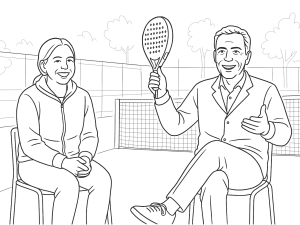
During their visit, the Padel Smash Academy team provided consulting to the club’s owners, who originally came from a squash background. The creators emphasize the importance of understanding local demographics and real estate costs when designing a club’s business model. In Minnesota, lower property costs make the all-inclusive membership feasible, but the reviewer cautions that as padel’s popularity increases, the club could be “leaving money on the table” by not charging for extras like balls, racket rentals, or special events.
The reviewer recommends gradually adjusting membership fees and introducing charges for premium services or events. This approach helps manage member expectations and maintains financial health, even if it risks some initial pushback from those accustomed to the current generous benefits.
Coaching certification and the need for local coaches
A central purpose of the visit was to conduct a three-day coaching certification program for The Heights’ staff and community members. The reviewer underscores the urgent need for more certified padel coaches in the U.S., especially as the number of courts is projected to reach 2,000 by the end of the year. With only an estimated 30–60 coaches nationwide, developing local talent is critical for the sport’s growth.
The certification program focused on equipping new coaches—often with backgrounds in tennis or squash—with the skills to teach padel fundamentals. The goal is to ensure that beginners can play a match after just one clinic, using a structured methodology and access to ongoing online resources. The reviewer notes that this approach is vital for building a sustainable padel community in new markets like Minnesota.
Building community and programming for long-term growth
The reviewer highlights the importance of structured programming and community-building in a new padel market. Before the certification, The Heights had over 200 padel players but no formal coaching or lesson programs. This represented a missed opportunity for both player development and club revenue.
The consulting team emphasized the need to:
- Develop beginner clinics as a primary entry point for new players
- Empower coaches to run regular lessons, clinics, and tournaments
- Leverage social media and consistent marketing to raise awareness
- Provide accessible resources for coaches and members to revisit training content
By implementing these strategies, the club can foster a vibrant, growing padel community and ensure a steady stream of new players and revenue.
Marketing strategies for emerging padel clubs
Another key area of focus was marketing. The reviewer stresses that for clubs in untapped markets, education and consistent outreach are essential. Building awareness takes time—often 12 to 24 months—and requires persistent effort across social media, SEO, and local engagement. The consulting process includes empowering club staff with a blueprint for marketing, customer service, and community engagement, ensuring that the club’s unique atmosphere and offerings reach a wider audience.
Effective marketing, combined with strong programming and coaching, positions The Heights to become a model for padel club development in emerging U.S. markets.
Key takeaways and qualitative evaluations from the reviewer
- Club atmosphere: Unique, homey, and welcoming—distinct from larger, commercial clubs
- Membership value: Exceptional for frequent players, but may require adjustment as demand grows
- Coaching program: Essential for player development and club sustainability; strong methodology for onboarding new coaches
- Community building: Structured programming and empowered coaches are critical for growth
- Marketing: Long-term, consistent effort needed to build awareness and attract new members
The reviewer expresses optimism about The Heights’ future, noting the dedication of the owners, staff, and newly certified coaches. With the right balance of value, programming, and marketing, the club is well-positioned to lead padel’s expansion in Minnesota and serve as a blueprint for similar ventures nationwide.