Physical preparation and mobility as the foundation of pre-season
The creator begins by emphasizing the critical role of mobility in any padel pre-season program. Each training session starts with 5–15 minutes of mobility exercises, focusing on the shoulders, hips, back, and especially the legs. This routine not only helps prevent injuries but also increases the range of motion for strength exercises, directly impacting power and performance on the court.
Grip strength is another focus, with specific exercises designed to strengthen the forearms. The channel highlights the importance of dynamic stretching and progressive strength work, often organized in supersets. For example, the creator demonstrates increasing weights in exercises like kettlebell lifts and squats, always aiming to build functional strength rather than just muscle mass.
- Mobility work: 5–15 minutes per session
- Dynamic stretching: Integrated before strength routines
- Grip/forearm exercises: Regularly included
- Strength training: Progressive, with supersets and focus on explosiveness
Sessions often finish with core work or a 10-minute circuit, emphasizing explosiveness and speed over maximum weight. Sprint intervals—ranging from 50 to 100 meters—are used to develop on-court power, with the most intense sprints capped at 50 meters for maximum effort.
Technical padel training: control, volume, and situational drills
Transitioning to padel-specific work, the creator divides the on-court sessions into several key categories. The first is “fijos”—fixed drills focused on pure control and ball volume. These exercises are less about winning points and more about maintaining long rallies with consistent quality, helping players master different ball speeds and shot types.
Examples include alternating firm shots with softer “chiquitas,” practicing parallel rallies, and working in groups of four to simulate match conditions. The reviewer notes that while these drills can feel repetitive, they are essential for building concentration and technical consistency, especially at the professional level.
Block volleys are another technical focus, with advice to stay low, keep weight forward, and avoid leaning back—common errors that can float the ball and give opponents easy chances.
- Control drills: Emphasize ball volume and shot variation
- Block volleys: Focus on body position and anticipation
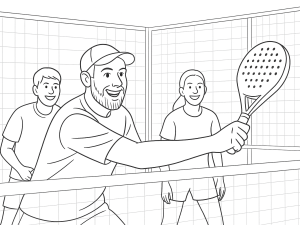
- Four-player scenarios: Cooperative play for realistic match rhythm
Objective-based exercises and tactical awareness
Beyond basic control, the channel introduces drills with specific tactical objectives. For instance, one exercise requires the player to either approach the net (forcing opponents to lob) or stay back (forcing groundstrokes), simulating real match decision-making. These scenarios help players read the game and react to their partner’s cues, such as calling out when an opponent is approaching the net.
Other drills focus on the first volley placement—always aiming for the center—before freeing up the point for open play. This structure teaches players to start points with high-percentage shots and then adapt as the rally develops. The creator also highlights the importance of recognizing when to attack or defend based on the quality of the previous shot, reinforcing tactical awareness throughout the session.
Repetition, competition, and specialized basket drills
Repetition is described as fundamental at every level. Basket drills (“carros” or “cestos”) allow players to repeat specific shots, such as volleys to the side fence or “víbora” smashes, to build muscle memory and confidence. The creator often practices volleys he doesn’t typically use in matches, like the angled volley to the fence, to expand his shot repertoire.
To add intensity and focus, some basket drills are turned into mini-competitions—either in pairs or individually. For example, players must execute a volley to the fence followed by a smash, only scoring if both are performed correctly. This competitive element helps maintain concentration and simulates match pressure, even in a controlled training environment.
- Basket drills: High-repetition for technical mastery
- Mini-competitions: Encourage focus and simulate pressure
- Specialized shots: Volleys to the fence, víbora, and smashes
Integrating match play and the importance of tactical feedback
Every training cycle includes full or partial matches—sometimes a quick 15-minute set, other times a longer session. The creator values these game scenarios for their realism and for the opportunity to receive tactical corrections from the coach. Even when winning points, the focus remains on identifying mistakes and areas for improvement, rather than just the outcome.
This approach ensures that technical and tactical lessons from drills are reinforced in real-game situations, bridging the gap between practice and competition.
Invisible work: recovery, nutrition, and mental balance
The creator dedicates a section to the “invisible” aspects of pre-season: recovery and nutrition. Regular visits to the physiotherapist help manage the high physical load and prevent injuries, with treatments like hamstring release and foot care before tournaments. The importance of this recovery work is underscored as essential for maintaining peak performance and longevity in the sport.
Nutrition is managed in collaboration with a professional, tracking body fat percentage and overall balance. While the channel stresses the value of a disciplined diet—especially for professionals—he cautions against obsession. The key is to maintain a routine with minimally processed foods and adequate carbohydrates, especially on match days, while allowing for flexibility to avoid mental fatigue.
- Physiotherapy: Regular sessions for injury prevention and recovery
- Nutrition: Balanced, with focus on whole foods and carbs for energy
- Mental approach: Discipline without rigidity to support long-term health
Key takeaways from a comprehensive padel pre-season routine
- Mobility and injury prevention are prioritized in every session
- Technical drills focus on control, consistency, and tactical awareness
- Repetition and competition in basket drills build confidence and simulate match pressure
- Match play integrates all skills and provides valuable feedback
- Recovery and nutrition are managed professionally, with an emphasis on balance and mental well-being
This holistic approach, as detailed by the channel, offers a clear blueprint for players seeking to elevate their game through structured, purposeful pre-season training.