Physical training routines and their impact on pre-season preparation
The creator begins by detailing the structure of a typical pre-season training day for a professional padel player. The focus is on a balanced approach that combines mobility work, plyometrics, and strength exercises. For example, a recent session included stair drills, a progression of jumps, and a circuit alternating between pull-ups, push-ups, and other strength moves. The intensity of the session was rated as a 5 out of 10, reflecting a moderate workload—particularly relevant as the creator was recovering from travel and sleep deprivation.
Each physical session lasts about an hour and is carefully structured to build explosiveness and injury resilience. The creator emphasizes the importance of adapting the intensity based on recovery and overall fatigue, especially during the demanding pre-season period. This approach ensures that players can maintain high performance levels while minimizing the risk of overtraining.
Padel-specific drills and tactical progression during training
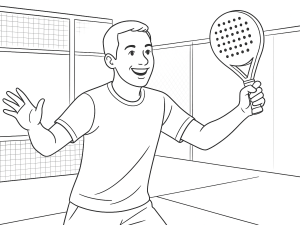
After the physical session, the focus shifts to on-court padel training. The creator describes a typical session with coach Gastón, which starts with a thorough warm-up followed by tactical drills. One key exercise involves one player defending against a series of aggressive attacks, then transitioning out of a lob to initiate a new point. The drill is designed to gradually decrease the defensive workload, moving from defending five balls to just one before lobbing, simulating real match transitions from defense to offense.
Roles are rotated among players—such as Diego, Marcos, and Pablo—to ensure everyone practices both attacking and defending. The session culminates in competitive tie-break scenarios, where the player with the best results advances to the central court. This competitive element adds pressure and simulates tournament conditions, helping players adapt mentally and tactically.
Adapting play style and decision-making with different partners
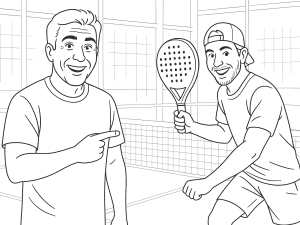
The creator highlights the importance of adapting tactics based on the strengths of different partners. For example, when paired with Nachi, whose defining skills include exceptional finishing ability and reach, the creator adjusts by playing more parallel shots to set up Nachi for decisive points. This strategic shift demonstrates the value of recognizing a teammate’s strengths and playing to them, rather than forcing one’s own aggressive style in every situation.
This adaptability is essential in professional padel, where partnerships and roles can change frequently. The creator notes that while he typically plays on the drive side, he also trains on the backhand side to remain versatile and open to different team configurations. This flexibility is especially important given the dynamic nature of professional pairings.
Technical focus: mastering the lob and defensive transitions
One of the main technical focuses during this pre-season phase is the lob and its role in defensive play. Training sessions often begin with drills that require players to hit multiple lobs before transitioning to free play. The goal is to reinforce the habit of using the lob as a primary tool to escape pressure and regain the initiative in rallies.
As the session progresses, the number of required lobs is reduced, eventually allowing players to attack earlier in the rally. This progression helps players internalize the importance of patience and shot selection, especially when under pressure. The creator notes that these exercises are not only effective for technical improvement but also enjoyable, keeping motivation high during long training blocks.
Managing fatigue and recovery during intense training weeks
By the third day of the week, the cumulative effect of double sessions and intense workouts becomes apparent. The creator describes feeling “totally exhausted,” with significant muscle soreness, particularly in the legs. To manage this, recovery sessions in the gym are prioritized, focusing on dynamic stretching and foam rolling to aid muscle repair and maintain mobility.
This honest assessment of physical limits underscores the reality of professional pre-season: even elite athletes must carefully balance workload and recovery. The creator points out that when fatigue sets in, it affects not only physical performance but also tactical sharpness and decision-making on court.
On-court challenges: communication, positioning, and tactical adjustments
During match play, the creator identifies several recurring challenges, such as missed opportunities at the net and confusion over who should cover the center of the court. These issues often stem from fatigue and lapses in concentration. The creator discusses specific moments where better communication and positioning could have prevented lost points, such as adjusting partner positions to cover the middle more effectively or staying closer to the net when holding the initiative.
These reflections highlight the importance of constant communication and tactical awareness, especially when physical fatigue makes execution more difficult. The creator emphasizes that even on difficult days, it is crucial to extract lessons and continue improving, rather than making excuses for poor performance.
Key takeaways from the week’s pre-season training
The creator concludes this segment of the pre-season vlog by reflecting on the progress made and areas for further improvement. Despite some sessions being physically and mentally challenging, there is a clear sense of satisfaction with the overall development—especially in terms of adapting to different roles, refining defensive skills, and managing fatigue.
This transparent look into a professional padel player’s pre-season routine offers valuable insights for aspiring athletes and enthusiasts. The emphasis on structured physical preparation, tactical flexibility, and honest self-assessment provides a realistic blueprint for maximizing performance during the critical pre-season phase.