Understanding the back wall shot and its tactical importance in padel
The back wall shot, or salida de pared, is a fundamental stroke in padel that blends both technical skill and tactical awareness. According to the creator from Mejora Tu Padel, mastering this shot is essential for players who want to regain control after losing the net, especially when the opponent forces them back with a lob. The key is recognizing when the ball’s bounce and height allow for an offensive response, rather than simply returning a defensive shot.
When the ball rebounds off the back wall with enough height, players have the opportunity to attack, often aiming to play the ball from top to bottom and with an angle. This approach makes it much more challenging for opponents at the net to defend, as the ball is directed at their feet—a notoriously difficult area to handle in padel.
Technical execution: height, timing, and ball contact
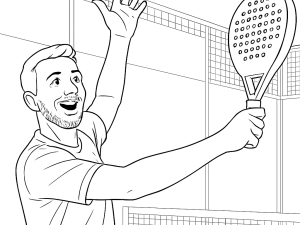
The reviewer emphasizes that the height of the ball after it bounces off the wall is the first critical factor. If the ball sits high enough, the player should try to strike it at the highest comfortable point, maximizing the downward angle and increasing the chance of putting the opponents under pressure.
However, not every ball allows for this aggressive approach. Sometimes, letting the ball drop slightly before striking can be more effective, especially if the shot is played at the same speed but with a lower trajectory. This makes it easier for opponents to block, so the decision to hit high or low must be made based on the situation and the opponents’ positions.
In summary, the technical choices for the back wall shot depend on:
- Ball height: Higher bounces allow for more aggressive, angled shots.
- Timing: Striking early at a high point versus letting the ball drop for a lower, straighter shot.
- Opponent positioning: Adjusting the shot based on where the rivals are on the court.
Adapting tactics based on opponent positioning
Tactical awareness is just as important as technical execution. The channel illustrates several scenarios where the position of the opponents dictates the best response. For example, if both opponents are at the net, the most effective play is to hit the ball at their feet with a sharp downward angle, making their volley or block extremely difficult.
When one opponent remains back and the other is at the net, the situation changes. Attempting a lob over the forward player can be risky—if executed poorly, both opponents may regain the net and put you under pressure. Instead, the reviewer recommends targeting the player who is further back, letting the ball drop a bit more before playing through the open space. This approach exploits the gap and allows the player to regain an advantageous position on the court.
Dynamic decision-making: reacting to changing formations
Padel is a dynamic game, and the reviewer stresses the importance of adapting to changing formations. When opponents switch positions—such as one moving up while the other stays back—it’s crucial to recognize where the open space is and play accordingly. In these moments, auditory communication with your partner becomes vital. Knowing which opponent is advancing and which is staying back allows for smarter shot selection and prevents giving away easy points.
For example, if the opponents move up in a staggered formation, the ideal play may be to attack the center or the side where the defender has left a gap. However, if the player is unaware of the positional change and plays to the wrong side, they risk losing both position and the point. The reviewer highlights that this is why professional players constantly communicate about their rivals’ positions during play.
Key factors influencing the choice of back wall shot
The creator summarizes several factors that should influence the choice of back wall shot:
- Ball height and distance from the player
- Position of both opponents (net, back, or staggered)
- Speed and angle of the shot
- Communication with your partner for real-time tactical information
These elements combine to help players decide whether to attack, play defensively, or exploit a specific gap on the court. The reviewer notes that technique must always serve tactics—good technical execution is only effective when paired with smart, situational decision-making.
Practical advice for improving your back wall shot in matches
To put these insights into practice, the channel recommends frequent communication with your partner and being aware of the opponents’ movements at all times. Practicing both the technical and tactical aspects of the back wall shot will help players become more unpredictable and effective, breaking their rivals’ patterns and creating more opportunities to win points.
The reviewer encourages players to experiment with different heights, speeds, and directions when executing the back wall shot, always adapting to the evolving dynamics of the match. Over time, this approach will lead to greater confidence and consistency in one of padel’s most crucial strokes.