Understanding the chiquita shot and its tactical purpose
The chiquita is one of the most nuanced and strategic shots in padel, and the reviewer from the4Set explores its technique and tactical application with guidance from Mauri Andrini of Hello Padel Academy. The term “chiquita” means “little,” and the essence of the shot is to apply subtle pressure on opponents by playing a soft, low ball that forces them to respond from an uncomfortable position. The shot is typically executed with the ball impacted below net height, aiming to land it in a zone that is neither too close to the net nor too close to the opponent, ideally bouncing in front of them and making it difficult to volley aggressively.
According to Andrini, the chiquita is not an easy shot to master. The decision to use it depends on the comfort level of the player and the positioning of the opponents. When played well, it can disrupt the rhythm of the opposition and open up the court for more aggressive follow-up shots.
Key technical aspects for executing an effective chiquita
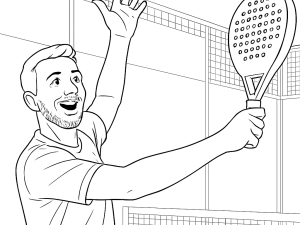
The channel emphasizes several technical details that are crucial for a successful chiquita. First, the contact point should be low, with the racket face open to gently “catch” the ball rather than hit it forcefully. Andrini uses the analogy of “catching a fly” to describe the soft, controlled motion required. The reviewer is coached to avoid stepping forward too early, which can result in striking the ball behind the body and losing control.
Proper preparation is essential: the racket should be ready and open before moving forward. The player must wait for the right moment to step in, ensuring the ball is played in front of the body for maximum control and accuracy. This approach not only improves consistency but also helps disguise the shot, making it harder for opponents to anticipate.
Positioning and court awareness during the chiquita
Positioning is a recurring theme throughout the session. The reviewer learns that the ideal chiquita is played when the player is behind the service line, moving forward only after the shot is executed. Andrini marks specific zones on the court to illustrate where the ball should land, emphasizing that a chiquita bouncing too close to the net is risky, while one too close to the opponent allows them to volley easily.
The tactical goal is to force the opponent to let the ball bounce, buying the player time to approach the net and take control of the point. When the opponent is positioned 3.5 to 4 meters away from the net, the chiquita should be aimed at a spot that maximizes their discomfort and minimizes their attacking options.
Adapting the chiquita to different scenarios and opponents
The reviewer is encouraged to assess the opponent’s movement and adapt the chiquita accordingly. Against less mobile players, the shot can be used more frequently to exploit their positioning. However, when facing agile opponents, the chiquita should be combined with other shots, such as lobs, to keep them guessing and open up angles for attack.
Andrini highlights the importance of decision-making: knowing when to play the chiquita and when to switch to a lob or a more aggressive shot. The reviewer practices recognizing these moments during cross-court rallies, learning to read the game and adjust tactics in real time.
Integrating the chiquita with volleys and net play
One of the key lessons from the session is the connection between the chiquita and effective net play. The reviewer is trained to follow the chiquita with a quick approach to the net, ready to volley and capitalize on the opponent’s weak reply. Timing is critical—moving forward too soon can leave the player exposed, while moving too late results in missed opportunities.
During drills, the reviewer practices playing the chiquita and immediately transitioning to the net, focusing on maintaining balance and readiness for the next shot. This integration is vital for building pressure and converting defensive situations into offensive ones.
Common mistakes and practical corrections for the chiquita
The creator identifies several common mistakes made by players attempting the chiquita:
- Stepping forward before preparing the racket, leading to late or off-balance shots
- Hitting the ball too hard, which gives opponents time to react or counterattack
- Playing the chiquita from the wrong court position, especially too far from the net or at the wrong angle
- Failing to move forward after the shot, missing the chance to take the net
Through targeted feedback and repetition, the reviewer improves by focusing on racket preparation, shot softness, and timely movement. The session demonstrates that even in less than ten minutes, significant progress can be made with the right technical focus and coaching.
Key takeaways and practical advice from the4Set’s training session
The training with Mauri Andrini offers clear, actionable advice for players looking to improve their chiquita:
- Prepare the racket early and keep the face open for a soft, controlled shot
- Wait to step forward until after the shot is prepared, ensuring proper body positioning
- Aim the chiquita to bounce in front of the opponent but not too close to the net
- Combine the chiquita with lobs and volleys to vary play and keep opponents off balance
- Always be ready to transition to the net after executing the shot
The reviewer’s rapid improvement highlights the value of focused, technical practice and expert guidance. For padel players at any level, mastering the chiquita can add a powerful weapon to their tactical arsenal, enabling them to control rallies and dictate the pace of play.