Breaking down the forehand back wall shot in padel
The forehand back wall shot is a fundamental skill in padel, often encountered when the ball rebounds off the back glass and approaches the player’s dominant side. According to the reviewer from Padel Smash Academy, mastering this shot is essential for both beginners and experienced players, as it frequently arises during rallies and defensive situations. The channel emphasizes that understanding the correct sequence of movements can dramatically improve consistency and confidence when returning balls off the back wall.
Step-by-step technique for a reliable forehand back wall
The creator outlines a clear, four-step process for executing the forehand back wall shot effectively. Each step is designed to build a solid foundation and ensure players avoid common mistakes such as late preparation or poor positioning. Here’s a breakdown of the key technical elements:
- Step 1: Ready position and continental grip – Begin with a balanced stance, knees slightly bent, and hold the racket using a continental grip. This grip provides versatility and control, allowing for quick adjustments as the ball rebounds off the glass.
- Step 2: Step back and set up – As the ball approaches, take a step back to create space and time your preparation. Simultaneously, bring the paddle back so it points behind you, ensuring your shoulders rotate and your body is coiled for the shot.
- Step 3: Contact point in front – Make contact with the ball in front of your body, not too close to your feet. This forward contact point helps generate power and keeps the shot controlled, reducing the risk of sending the ball into the net or out of bounds.
- Step 4: Follow through – Complete the motion with a smooth follow-through, guiding the racket towards your target. This ensures the ball travels with the intended direction and spin, making it harder for opponents to attack your return.
Common mistakes and how to avoid them
The reviewer highlights several pitfalls that players often encounter when attempting the forehand back wall shot. One frequent error is failing to step back early enough, which leads to rushed swings and poor contact. Another issue is neglecting the continental grip, resulting in limited racket maneuverability and inconsistent ball placement. The channel advises players to focus on early preparation and to practice the grip until it feels natural, as these habits lay the groundwork for reliable execution.
Additionally, the creator notes that many beginners strike the ball too late, allowing it to get too close to their bodies. By emphasizing the importance of making contact in front, players can maintain better control and avoid defensive errors that give opponents an advantage.
Visualizing the shot: demonstration and repetition
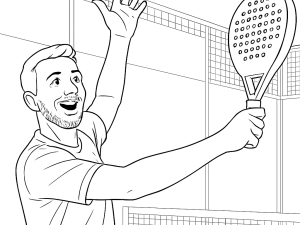
To reinforce the technique, the channel provides a visual demonstration of all four steps in a fluid motion. The video showcases how each element connects, from the initial ready position to the final follow-through. This visual breakdown helps viewers internalize the sequence and understand the rhythm required for a successful back wall forehand.
The creator also encourages players to watch and practice all 26 padel shots featured in their playlist, each presented in concise, easy-to-follow segments. Repetition and visualization, according to the reviewer, are key to building muscle memory and confidence on the court.
Key takeaways for improving your forehand back wall shot
- Early preparation and correct grip are essential for control and consistency.
- Stepping back creates space and allows for a full, relaxed swing.
- Contacting the ball in front of your body maximizes power and accuracy.
- Smooth follow-through ensures the shot travels with the intended direction and spin.
- Regular practice and visual repetition help solidify technique and boost confidence during matches.
Why mastering this shot matters in match play
The forehand back wall is not just a defensive maneuver—it can be a launching point for counterattacks and tactical plays. By mastering this shot, players can turn defensive situations into offensive opportunities, keeping rallies alive and putting pressure on opponents. The reviewer from Padel Smash Academy stresses that investing time in perfecting the forehand back wall will pay dividends across all levels of play, making it a cornerstone of any well-rounded padel game.