Professional training routines at MM Academy: structure and focus
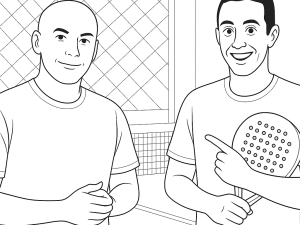
The channel Mejora Tu Padel offers a rare look inside a professional padel training session at MM Academy, featuring top players like La Portu and Mario Huete. The reviewer emphasizes that these sessions are not just about hitting balls, but are carefully structured to address technical and tactical aspects identified during recent tournaments. Each week, the training adapts based on match analysis, ensuring players work on specific areas that need improvement.
One of the first elements highlighted is the importance of a thorough warm-up, which is treated with the same seriousness as the rest of the session. Even professionals participate in the routine aspects of training, such as collecting balls, reinforcing the idea that attention to detail is crucial at every level.
Mini padel drills: mastering timing and movement in the mid-court
The session begins with a mini padel exercise, a drill that many amateurs tend to skip but which the reviewer insists is essential for developing timing and mobility in the mid-court. In padel, a significant portion of play occurs at half-court with slower, softer balls. This exercise forces players to move quickly with their legs while keeping their hands relaxed and precise, simulating real match scenarios where control and patience are key.
During this segment, La Portu works on transitioning between low-speed balls and sudden changes in rhythm. The focus is on maintaining technical form while adapting to the unpredictable pace of the rally. The reviewer notes that this drill helps players develop a sense of timing, which is critical for executing effective shots under pressure.
Directional changes and chiqui padel: simulating match situations
As the training progresses, the exercises shift to emphasize directional changes. Players alternate between parallel and cross-court shots, mirroring the tactical demands of competitive padel. The reviewer guides the players through these drills, encouraging them to adjust their positioning and shot selection based on the flow of play.
The session then transitions into chiqui padel, a half-court exercise where players alternate between shots with and without a bounce. This drill is designed to replicate counterattack situations, requiring players to shrink the available space and keep the ball low. The reviewer points out that these scenarios are common in matches, and mastering them can provide a significant tactical advantage.
Player-driven exercises and adapting to on-court sensations
One of the unique aspects of the MM Academy approach is the flexibility to let players propose exercises based on their own sensations and needs. The reviewer explains that while coaches often design the structure of the session, players are encouraged to communicate what they feel is lacking or what they want to focus on. This collaborative method ensures that training remains relevant and responsive to each athlete’s current form and confidence level.
For example, La Portu requests specific drills to address areas she feels need attention, and the coach adapts the session accordingly. This dynamic approach helps maintain player engagement and ensures that the training addresses real match challenges.
Understanding the three phases of point construction
The reviewer introduces the concept of the three phases in point construction, which is central to the tactical framework at MM Academy:
- Phase one: Focused on volume and consistency, aiming to force errors from the opponent rather than taking unnecessary risks.
- Phase two: Involves seeking opportunities to gain an advantage, often by increasing shot quality or changing direction.
- Phase three: The finishing phase, where players look to close out the point with a decisive shot.
Many of the slow, transitional balls practiced in the session fall into phase one. The reviewer stresses the importance of not overcomplicating these shots—sometimes, simply keeping the ball in play is the best strategy, especially in tight score situations. Players are reminded to adjust their shot quality based on their position and the match context, reserving riskier plays for moments when they are well set up.
Technical focus: volleys, drop shots, and short preparation
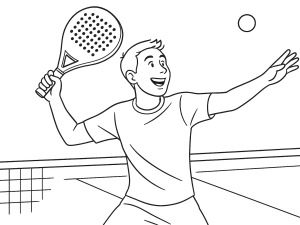
The technical portion of the session zeroes in on volleys and drop shots. Players are instructed to alternate between firm, deep volleys and delicate drop shots, varying direction and depth to keep opponents guessing. The reviewer emphasizes a short backswing and a downward trajectory, ensuring the ball stays low and difficult to attack.
Special attention is given to preparation and follow-through. The coach insists on a compact motion, with the racket prepared early and the finish controlled. This technical discipline is vital for executing both defensive and offensive shots under pressure.
Precision challenges and competitive spirit in training
To add a competitive edge, the session includes a precision challenge focused on the backhand volley. La Portu is tasked with hitting four consecutive backhand volleys, followed by a fifth shot aimed at passing through the side door—a demanding test of accuracy and control. These challenges not only sharpen technical skills but also simulate the mental pressure of match play.
- Backhand volley accuracy: 4 consecutive successful volleys required
- Bonus challenge: 5th shot must exit through the side door
The reviewer notes that such drills are popular among players and viewers alike, as they foster a sense of fun and motivation while reinforcing key skills.
Collaborative training and continuous improvement
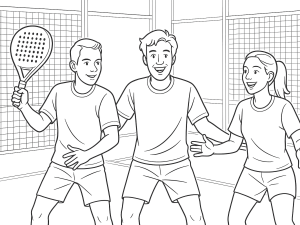
The session concludes with the arrival of Mario Huete, who joins La Portu for additional drills and challenges. The dynamic between players and coach remains collaborative, with exercises adapted on the fly to address specific needs and sensations. This approach reflects the broader philosophy at MM Academy: training is not static, but evolves based on feedback, match analysis, and player input.
By focusing on technical precision, tactical awareness, and player-driven adaptation, the training methods showcased by Mejora Tu Padel offer valuable insights for anyone looking to elevate their padel game, whether at the amateur or professional level.