Training with Paquito Navarro and insights from the Kia Padel Fest
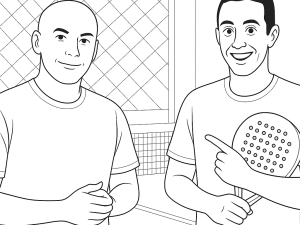
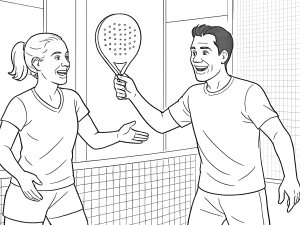
The latest episode from the4Set’s “Wings to Pro” series takes viewers inside a unique padel experience at the inaugural Kia Padel Fest. The creator shares the court with top professionals, including Paquito Navarro and Carolina Navarro, offering an up-close look at high-level play and the realities of training for the Premier Padel Qatar Major. The atmosphere is both competitive and celebratory, with the event serving as a backdrop for both matches and valuable learning moments.
Early in the episode, the creator highlights the excitement—and nerves—of partnering with Paquito Navarro. The event isn’t just about friendly rallies; it’s a testing ground for skills, tactics, and mental resilience. The creator notes the pressure of performing alongside and against elite players, emphasizing how even short matches can reveal gaps in technique and decision-making.
Key takeaways from matches with professional players
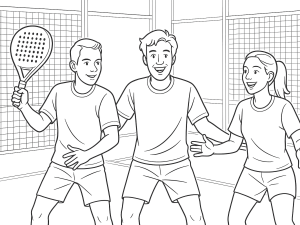
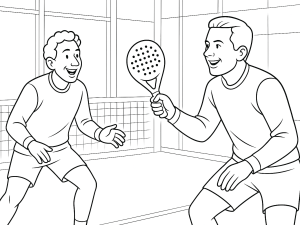
Throughout the matches, the creator faces off with and against some of the sport’s most recognized names. Playing with Paquito Navarro brings both inspiration and challenge, as the pace and precision of the rallies demand constant adaptation. The creator admits to feeling outmatched at times, especially when trying to execute aggressive shots or keep up with the tempo set by the pros.
One recurring theme is the importance of shot selection and timing. The creator describes moments where impatience led to rushed volleys or missed opportunities, underscoring the value of waiting for the right ball before attacking. The professionals’ ability to remain calm under pressure and choose high-percentage plays stands out as a key difference between amateur and elite levels.
- Shot patience: Waiting for the right moment to attack is crucial.
- Controlled aggression: Power alone isn’t enough; placement and depth matter more.
- Defensive discipline: Staying low and balanced improves control on difficult balls.
Technical lessons from Rodri Ovide Academy training
Beyond the matches, the episode delves into a focused training session at the Rodri Ovide Academy. Here, the creator works on foundational padel techniques under the guidance of experienced coaches. The drills emphasize the importance of body positioning, leg strength, and weight transfer—all critical for executing consistent, effective shots.
One key drill involves defending low balls and maintaining a strong, athletic stance. The coach stresses that simply bending the knees isn’t enough; players must anchor themselves to the ground, using their legs to absorb and redirect the ball’s energy. The creator struggles at first, often rising too quickly after contact, which leads to less controlled returns. Through repetition and feedback, the importance of staying low and using the legs for stability becomes clear.
- Stay low: Maintain a squat-like position to control low shots.
- Use the whole body: Combine arm movement with leg drive for power and accuracy.
- Open stance footwork: Avoid crossing feet during defensive movements for better balance.
Adjusting volley technique for more effective play
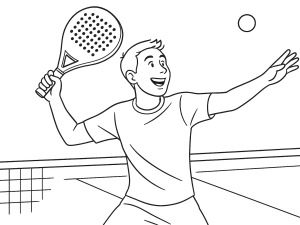
The training also focuses on refining volley technique. The coach encourages the creator to avoid overhitting and instead prioritize depth and placement. Rather than relying on sheer force, the goal is to deliver volleys that die at the opponent’s feet, making them difficult to return. The creator learns that less is often more—softer, well-placed shots can be more effective than fast, aggressive ones.
Another lesson involves the timing of contact. The coach points out that striking the ball too far in front reduces control and limits the ability to direct the shot. Allowing the ball to come in slightly before making contact enables a smoother, more controlled swing, resulting in better placement and less risk of error.
- Controlled volleys: Focus on depth and minimal rebound rather than speed.
- Proper contact point: Let the ball come in before striking for greater control.
- Body movement: Move forward with the shot for added stability and direction.
Mindset shifts and learning from mistakes
A recurring message from the coaches is the importance of mindset in padel development. The creator is reminded that changing ingrained habits takes time and patience. Rather than trying to overhaul everything at once, the focus should be on adding new, positive habits and letting go of old, less effective ones. The process involves accepting mistakes as part of growth and using each error as a learning opportunity.
The creator reflects on the tendency—common among amateurs—to play too quickly and force the pace. The coaches advocate for a more measured approach: start with safe, simple shots and only increase risk when necessary. This philosophy not only reduces unforced errors but also builds confidence and consistency over time.
Looking ahead to future competitions and continued progress
As the episode concludes, the creator expresses excitement and a bit of nervousness about upcoming challenges, including a first coach-led padel match against a former WTA tennis player. The journey toward professional-level competition is just beginning, with Madrid and a first FIP tournament on the horizon.
This episode of “Wings to Pro” offers a blend of high-level match experience, technical training, and honest self-assessment. The creator’s willingness to learn from both victories and defeats provides valuable insights for any padel enthusiast aiming to improve their game. The lessons from Paquito Navarro, Rodri Ovide Academy, and the broader padel community highlight the blend of skill, strategy, and mindset required to progress in this fast-growing sport.