Six essential rules for effective padel partner communication
The creator from Padel Smash Academy outlines six crucial principles for communicating with your partner during a padel match. These guidelines are designed to foster a supportive team environment, minimize tension, and help both players perform at their best. Each rule addresses a specific aspect of on-court interaction, from emotional control to strategic discussion.
- Avoid emotional discharge: Refrain from negative gestures, facial expressions, or critical remarks after mistakes.
- Use inclusive language: Always talk as “we” instead of “you” to reinforce teamwork.
- Stay positive in words and body language: Encourage your partner verbally and physically, regardless of errors.
- Discuss strategy, not blame: Focus conversations on tactics and future actions, not past mistakes.
- Look forward, not backward: Keep discussions centered on upcoming points and adjustments.
- Offer positive reinforcement: Consistently support your partner with encouragement and affirming gestures.
Why emotional control matters in padel matches
One of the first points emphasized by the reviewer is the importance of managing emotional reactions on court. Mistakes are inevitable in padel, but negative responses—like rolling eyes, sighing, or making sarcastic comments—can quickly erode team morale. The creator stresses that both partners must avoid these behaviors, as they only add pressure and can lead to a downward spiral in performance.
Instead, players are encouraged to let go of frustration immediately and avoid any form of visible disappointment. This emotional discipline helps maintain a constructive atmosphere, allowing both players to recover quickly and stay focused on the next point.
The power of inclusive language for team unity
Padel is fundamentally a team sport, and the way players communicate reflects their sense of partnership. The channel highlights a common mistake: using “you” statements when discussing tactics or errors. Phrases like “You should hit more lobs” or “You missed that shot” isolate the partner and can create defensiveness.
To build unity, the reviewer recommends always using “we” language. For example, say “We should play more lobs” or “We need to focus on the backhand side.” This subtle shift reinforces the idea that both players share responsibility for outcomes and decisions, strengthening the sense of collaboration.
Maintaining positive energy through words and actions
According to the creator, positivity must be expressed both verbally and physically. When a partner makes a mistake, it’s crucial to respond with encouragement rather than criticism. Simple phrases like “Let’s go,” “You can do it,” or “That was the right shot, next time it’ll go in” help keep spirits high.
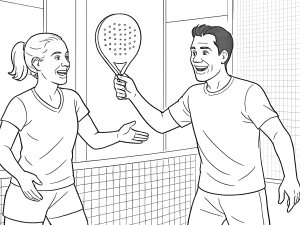
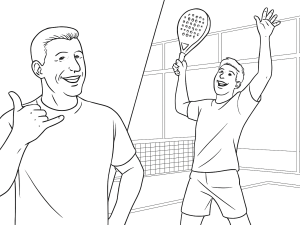
Physical gestures also play a role. High fives, fist bumps, or even a quick smile can reassure a partner and reset the mood after a tough point. The reviewer notes that visible positivity is contagious and can help both players stay motivated, especially during challenging moments in a match.
Strategic conversations: focusing on solutions, not problems
Another key insight from the video is the importance of discussing strategy rather than dwelling on past mistakes. The reviewer observes that many pairs waste valuable time between games analyzing what went wrong, which can reinforce negativity. Instead, players should use these moments to plan their next moves and adapt their tactics.
For example, during side changes or breaks, talk about what adjustments can be made: “Let’s try more chiquitas,” or “We should target the opponent’s weaker side.” This forward-thinking approach keeps both partners engaged and proactive, rather than stuck in regret.
Always looking forward: the mindset of successful padel teams
The channel stresses that the best padel teams are those that focus on what’s ahead, not what’s behind. After a lost point or game, the priority should be on the next opportunity. This mindset shift helps prevent lingering frustration and ensures that both players remain mentally present.
By consistently asking, “What are we going to do next?” teams can stay adaptable and resilient, even when the match isn’t going their way. This future-oriented focus is a hallmark of high-performing padel pairs.
Positive reinforcement as a tool for improvement
Finally, the reviewer highlights the value of positive reinforcement. Continually supporting your partner with affirming words and gestures not only boosts confidence but also encourages risk-taking and growth. Whether it’s a high five after a good attempt or a simple “Nice try,” these small acts can have a significant impact on performance and enjoyment.
In summary, the six rules presented by Padel Smash Academy offer a practical framework for elevating your padel partnership. By prioritizing emotional control, inclusive language, positivity, strategic focus, forward-thinking, and encouragement, players can transform their communication—and their results—on the court.