Brittany Dubins’ transition from college tennis to pro padel
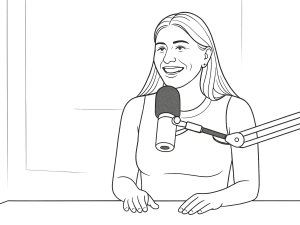
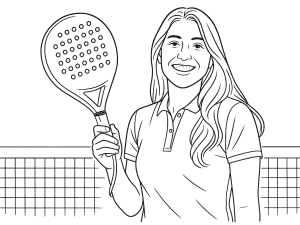
The reviewer from Padel Smash Academy sits down with Brittany Dubins, whose journey from a University of Miami tennis scholar to a professional padel player in the Pro Padel League (PPL) is a testament to adaptability and ambition. Born and raised in Miami, Brittany’s early life revolved around tennis, influenced by her father, a tennis pro. She played at the collegiate level on a full scholarship, never imagining that padel would become her next passion.
Her introduction to padel came unexpectedly during a law school study abroad program in Madrid. What began as casual games with her brother-in-law soon evolved into a competitive pursuit. Brittany quickly realized that Madrid was the epicenter of padel, offering the highest level of play and the best opportunities for growth. This environment, combined with her drive, set the stage for her rapid ascent in the sport.
Learning padel’s unique skills and adapting from tennis
Despite her strong tennis background, Brittany found that padel demanded a different skill set. While her height and overhead shots gave her an initial advantage, she soon discovered that padel’s use of walls and tactical defense required a new approach. The reviewer highlights Brittany’s honesty about the challenges: shots like the vibora and vandeja were unfamiliar, and mastering them took time and repetition.
Brittany shares that she’s been playing padel for four years, and even now, she continues to learn and refine her technique. She trains weekly with a coach in Madrid and is considering joining a top academy to further accelerate her progress. Her commitment to improvement is evident, as she seeks out partners and training environments that push her to the next level.
Competing in Madrid’s federation and climbing the rankings
Madrid’s regional padel federation is renowned for its competitiveness. Brittany entered the circuit just a year ago, starting with no ranking and quickly climbing to rank 11 in the women’s division. The reviewer notes that this rapid progress is impressive, especially given the depth of talent in Madrid, where many top-ranked players also compete on the World Padel Tour.
The federation uses a points-based system, with divisions determined by ranking. Brittany emphasizes the importance of finding a compatible partner, as consistent teamwork is crucial for success in doubles. Over the past eight months, she’s developed a strong partnership that has helped her compete at the highest level in the region.
Experiencing the Pro Padel League in the United States
Returning to the U.S., Brittany joined the Miami Padel Club in the PPL, a league featuring seven teams from cities like Los Angeles, Las Vegas, Cancun, Toronto, and Arkansas. The league format includes women’s doubles, men’s doubles, and a deciding mixed doubles match if needed. Brittany’s team, featuring stars like Marta Marrero, had a strong season, reaching the semi-finals with a 5-1 record before a narrow loss to Cancun.
The reviewer points out the differences in compensation and structure between the PPL and European circuits. In the PPL, Brittany earned $1,250 for each match won and $1,000 for each match played, with contracts varying by franchise and player. While this provides some financial support, Brittany acknowledges that making a living solely from padel in the U.S. remains challenging.
Financial realities and the pursuit of sponsorship
Both in Spain and the U.S., Brittany notes that sponsorship is essential for professional padel players. Prize money from regional tournaments is modest—often around €500 per player for a win—so athletes rely on brand partnerships for travel, training, and living expenses. Brittany estimates that a full year of competing and training at the pro level can cost around $60,000, making sponsorships crucial for sustainability.
Currently, Brittany is sponsored by Nox, a leading padel brand known for its association with top players like Agustín Tapia. She plays with the Lamberti model, praising its balance of control and manageable weight. The reviewer highlights that Nox’s interest in expanding in the U.S. made Brittany, with her American background and Madrid experience, an ideal ambassador.
Comparing levels: Madrid federation, PPL, and World Padel Tour
Brittany’s experience across different circuits gives her a unique perspective. She describes the PPL as a “very, very great level” and believes the gap between top regional, league, and World Padel Tour play is narrowing. The difference often comes down to small details: fewer unforced errors, better anticipation, and years of tactical experience.
Playing alongside former world number one Marta Marrero was a highlight for Brittany. She credits Marta’s leadership and on-court communication for helping her stay calm and make strategic adjustments during matches. The reviewer underscores the importance of communication and defined roles in doubles, especially at the highest levels.
Technical evolution and favorite shots
When asked about her strengths and areas for improvement, Brittany identifies her smash as her best shot—an asset that sets her apart from many female players. She attributes this to her tennis background, where overheads are common. However, she admits that her lob is a work in progress, aiming for greater depth and precision, especially given the shot’s strategic importance in padel.
Brittany also discusses the challenges of switching sides on the court, particularly when playing with Marta Marrero, who typically occupies the left. Adapting to the right side required retraining her angles, wall play, and tactical approach, deepening her appreciation for the responsibilities of both positions in doubles.
Padel’s appeal and the future for American players
Despite her tennis roots, Brittany is unequivocal in her preference for padel, describing a “point of no return” where the sport’s team dynamics, tactical depth, and unique challenges won her over. The reviewer notes that Brittany’s journey mirrors a broader trend: more American athletes are discovering padel’s appeal, but the pathway to professional success still relies heavily on international experience, sponsorship, and adaptability.
Brittany’s story, as shared on Padel Smash Academy, highlights both the opportunities and hurdles facing aspiring pro padel players in the U.S. Her commitment to training in Madrid, competing in the PPL, and seeking sponsorship reflects the dedication required to reach the sport’s highest levels. As padel continues to grow globally, stories like Brittany’s will inspire a new generation of American players to make their mark.