
Tennis to Padel Transition: Master the Switch with Confidence
Explore the Tennis to Padel transition category for practical advice, comparisons, and strategies to help tennis players adapt their skills to padel. Find tips, guides, and insights designed to make your switch to padel smoother and more successful.
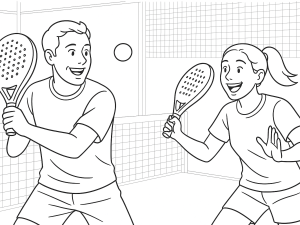
Understanding the tennis to padel transition
The transition from tennis to padel is a journey many racket sports enthusiasts are making. While both sports share some similarities, key differences in equipment, court size, and tactics require players to adjust their approach. This category provides a comprehensive overview of what tennis players need to know when stepping onto the padel court for the first time.
Key differences between tennis and padel
- Court size and walls: Padel courts are smaller and enclosed, with glass walls that are integral to gameplay.
- Racket type: Padel rackets are solid and perforated, without strings, affecting shot technique and ball control.
- Scoring and rules: While the scoring system is similar, padel has unique serving rules and allows for wall rebounds.
- Movement and tactics: Padel emphasizes quick reflexes, positioning, and teamwork, with less focus on power compared to tennis.
Adapting tennis skills for padel success
Tennis players often bring strong hand-eye coordination, footwork, and tactical awareness to padel. However, adapting to the underhand serve, learning to use the walls, and adjusting to the slower pace are essential. Articles in this category highlight drills, practice routines, and expert advice to help tennis players make these adjustments efficiently.
Common challenges and how to overcome them
- Overhitting: Tennis players may initially use too much power. Padel rewards control and placement.
- Net play: The net game in padel is more dynamic, requiring quick volleys and anticipation of wall rebounds.
- Communication: Doubles play is standard in padel, making teamwork and clear communication crucial.
Benefits of making the switch
Transitioning from tennis to padel offers several benefits. Padel is generally easier on the joints due to the smaller court and slower pace, making it accessible for players of all ages. The social aspect of doubles play and the strategic use of walls add a new dimension to the game, keeping it engaging for former tennis players.
Insights from experienced players
Many top padel athletes started in tennis before making the switch. Their experiences highlight the importance of patience and a willingness to learn new techniques. This category features interviews, case studies, and practical tips from those who have successfully transitioned, offering valuable perspectives for newcomers.
What this means for you
Whether you are a seasoned tennis player or a beginner exploring padel, understanding the nuances of the tennis to padel transition can accelerate your progress and enjoyment of the sport. Browse this category for actionable advice, real-world examples, and the latest trends to support your journey from tennis to padel.