Why the HEAD Extreme One has just one hole
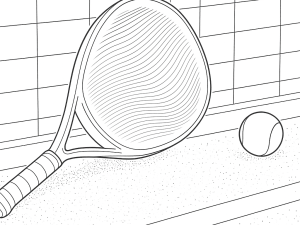
The channel spotlights the boldest design of the season: a racket with a single perforation. The HEAD Extreme One meets the FIP regulations, which require padel rackets to have at least one hole and allow an unlimited maximum. HEAD pushes that to the edge with a lone opening of just 9 mm in diameter. The reviewer notes that even Arturo Coello has tested it, underscoring the model’s legitimacy at the top level.
Beyond legality, the concept aims to remove weak points around perforations and offer a more uniform striking surface. It’s a radical idea that raises immediate questions about weight, aerodynamics, spin, and feel—questions the channel answers on court.
Weight, balance, and the acceleration argument
Conventional wisdom says fewer holes equals more mass. If most rackets live around 360–370 g, a “no-hole” frame might be expected to climb to 390–400 g. The surprise: this one doesn’t.
The tested frame came in at just 345 g without overgrip and 351 g with it, with a balance of 27 cm. That unusually light build is by design. As coach Mauri Andrini argues in the video, modern padel rewards acceleration more than ever. To unlock faster swing speeds, reducing mass is a straightforward lever—especially when today’s game demands more explosive transitions than previous generations.
Key specs as tested
- Weight (no overgrip): 345 g
- Weight (with overgrip): 351 g
- Balance: 27 cm
- Hole layout: single hole, 9 mm
- Price (launch): €280
Aerodynamics and maneuverability on court
Fewer holes typically means more air resistance, but the reviewer says the Extreme One feels surprisingly quick. Whatever HEAD has done with profiles and layup, the result is a frame that moves easily through the air and lets you prep early.
On court, that translates into rapid changes from defense to offense and a feeling that you can get the racket set in time for pressure volleys. The reviewer—who mentions lingering elbow sensitivity after an accident—found the lightweight build noticeably comfortable, with no negative feedback during longer sessions.
Compared with a heavier option like the HEAD Delta Pro at around 375 g, the Extreme One felt like the opposite experience: faster in the hand, less fatiguing, and easier to position for Bandejas and Viboras. In tight exchanges, that agility is a real asset.
Spin and surface roughness without the usual holes
The biggest concern going in was spin generation. Holes help “grip” the ball and increase friction; remove them and the ball can slide on contact. HEAD counters this with a textured 3D face, but the reviewer admits to mixed results.
On softer touch shots—especially drop shots—he didn’t always feel the bite he wanted, suggesting the roughness could be more pronounced in a future update. That said, on higher-speed actions like Viboras and smashes over the fence, the lack of difference was striking. In those scenarios, technique and speed seemed to compensate, keeping spin output competitive.
In short, the face texture works, but finesse players who live on feathered drop shots might wish for an even grippier finish in a 2.0 version.
Impact feel, stability, and control under pressure
The striking sensation is where the Extreme One wins over skeptics. The reviewer describes a clean, consistent response with notable stiffness during hard contact. That solidity helps on straight defensive blocks and when redirecting pace. Crucially, after a few rallies, the “no holes” factor disappears—you just play.
Volleys, in particular, benefit from the low weight and quick handling. The ability to accelerate late and still square the face makes a difference at the net, where reaction time is everything. If your game emphasizes countering and quick positioning, this build serves you well.
Power trade‑offs and the smash verdict
With so much talk about lightness and speed, how does it hit? In flat power terms, the reviewer felt the Extreme One could use a touch more mass when going full throttle on the smash. He ultimately rated the smash performance as very good, just shy of elite “cannon” level because of that missing heft transfer.
- Smash rating (reviewer): 8/10
For his playing style—more reliant on quick volleys, Viboras, and defense—the trade-off favors the Extreme One. Players who rely heavily on outright smash dominance may prefer a heavier setup; everyone else will appreciate the speed and control.
Durability considerations and structural strength
Ask players where their last racket broke and many will point to the fragile areas between the holes. With one small perforation, those stress zones are largely gone. The channel doesn’t call the frame unbreakable, but it highlights the obvious structural benefit: a more continuous carbon face should resist cracking in typical failure spots.
For anyone who’s shelled out for a premium frame only to see it fracture early, this design direction alone is a meaningful step forward.
Who will love it and where it fits in the lineup
This is a compelling option for players who prize maneuverability, quick preparation, and crisp control over brute-force power. If your points are won by getting set early, countering at the net, and threading accurate Viboras, the Extreme One’s formula makes sense. With a launch price around €280 and validation from pros like Arturo Coello giving it a run, it’s more than a novelty—it’s a serious performance racket with a fresh take on construction.
Version one is already convincing; a grippier face could make version two exceptional for touch artists. For now, the Extreme One stands out as a light, fast, and cleverly engineered addition to HEAD’s aggressive Extreme family.